US Congress Examines Syria Policy amid Minority Rights Concerns
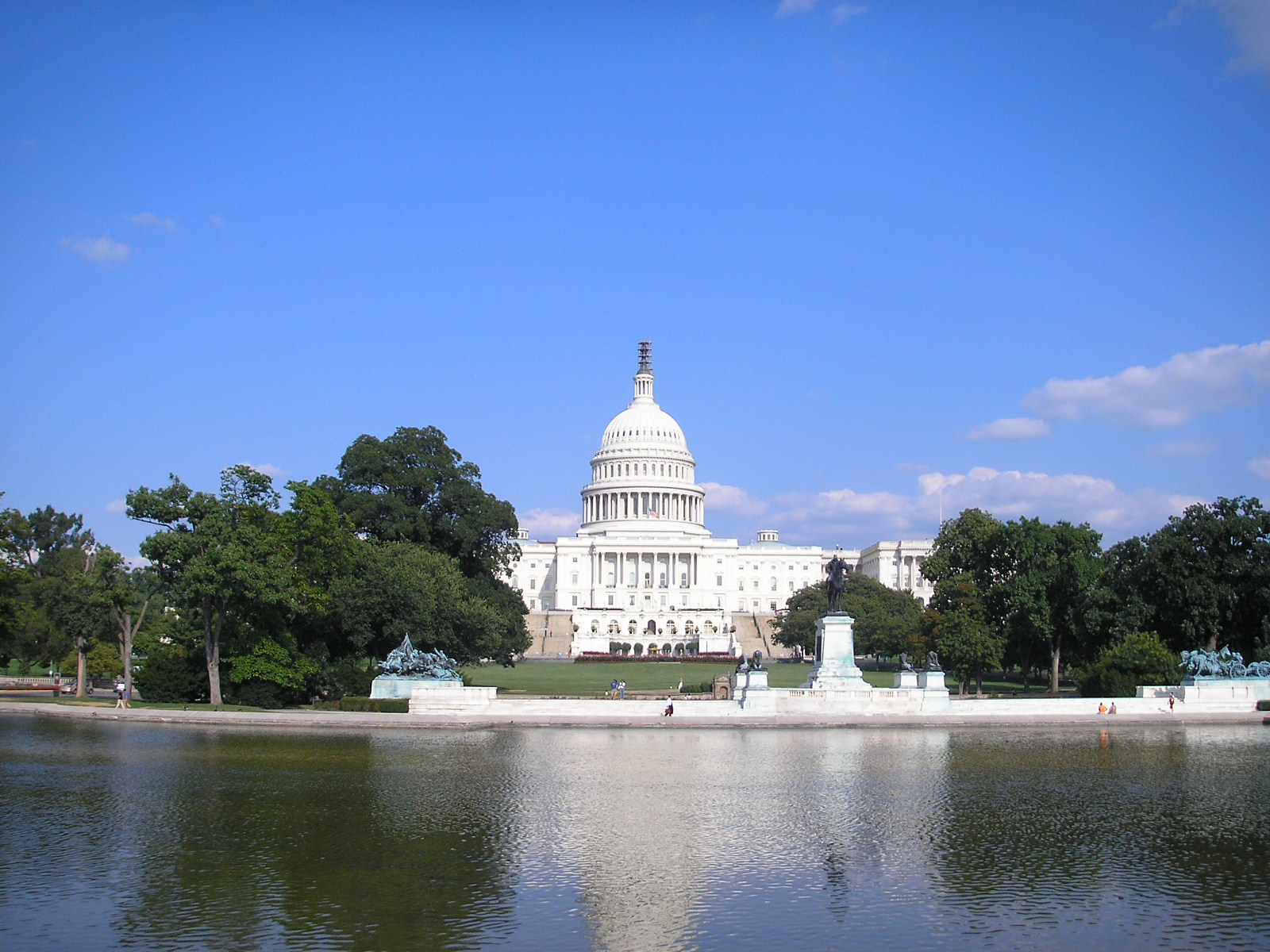
The US Capitol
WASHINGTON — The House Foreign Affairs Committee held a critical hearing on February 10, 2026, examining US policy toward post-Assad Syria, with expert witnesses offering starkly different assessments of the emerging government’s commitment to stability and minority protection.
Committee Chairman Brian Mast opened the hearing with a stark warning about the trajectory of Syria’s transition. “I don’t think any of us believed the transition from dictator Bashar al-Assad to President Ahmad al-Sharaa would be without incident. But, in my opinion, we’ve already seen too many incidents. There have been too many incidents of sectarian violence against religious and ethnic minorities,” Mast stated.
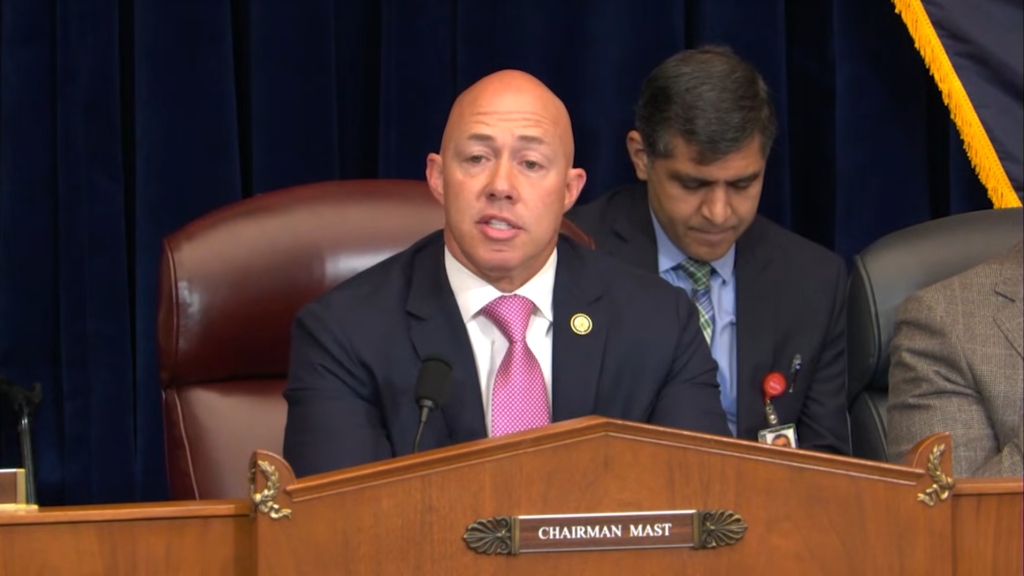
The chairman outlined multiple concerns, including “the presence of foreign fighters in the security forces, many of whom are backed by Turkey,” and recent actions against the Syrian Democratic Forces (SDF), America’s “longstanding counterterrorism and Kurdish allies,” which he called “unacceptable.”
Mast noted that while al-Sharaa’s decision to join the Global Coalition to Defeat ISIS “was a glimmer of hope,” he emphasized that “Syria is nowhere close to where it needs to be today. The United States is not yet satisfied with the progress he has made. Many of his actions have been steps backwards.”
The hearing, titled “Syria at a Crossroads: US Policy Challenges Post-Assad,” featured testimony from four prominent experts, just over a year after the collapse of Assad’s regime.
There was cautious optimism expressed on the one hand, and alarm over violations of minority rights on the other. James F. Jeffrey, a former ambassador and special envoy to the Global Coalition, and Dr. Mara Karlin, a former assistant secretary of defense, offered relatively optimistic assessments, arguing that the US should continue to engage with the new Syrian government while remaining vigilant. Jeffrey emphasized that Syria’s stability remains “essential” to regional peace and called for coordinated international policy in this regard. Karlin recommended reopening the US Embassy in Damascus and launching security sector reform programs.
However, Nadine Maenza, former chair of the US Commission on International Religious Freedom, sounded the alarm about systematic violence against religious and ethnic minorities. Maenza warned that “a genocide will happen in Syria within the next four years if the US doesn’t have the right policy” and cited documented massacres of Alawites, Druze, Yazidis, and Christians.
Sharp Congressional Criticism of Damascus Leadership
“It has been said that Mr. al-Sharaa was unable to protect minorities. I want to make the case that he’s not unable—he’s unwilling,”
Representative Scott Perry delivered one of the hearing’s most forceful critiques, directly challenging the characterization of Syrian President al-Sharaa’s governance. “It has been said that Mr. al-Sharaa was unable to protect minorities. I want to make the case that he’s not unable—he’s unwilling,” Perry stated.
“Mr. Jolani rebranded Al-Qaeda, which is not a whole lot different than ISIS,” Perry continued, referring to al-Sharaa by his former nom de guerre. “Let’s face it, if you have the choice between ISIS and Al-Qaeda, is there a whole lot of difference? HTS [Hayat Tahrir al-Sham] has said that they renounced global jihad, but they haven’t renounced jihad in Syria at all.”
Perry then displayed a video showing several Kurdish women being executed by Damascus-affiliated forces, providing graphic evidence of the atrocities discussed in witness testimony.
Maenza Defends Northeast Syria Model
Maenza responded forcefully to Perry’s concerns, defending the Kurdish-led governance structures in northeast Syria and challenging the military campaign against the region. “This military campaign into the Northeast was unnecessary: This was proven,” she stated. “It didn’t have to happen. They could have integrated in a peaceful way.”
She pointed to troubling extremist indicators, noting that “the fact that these Islamists put up an ISIS flag over Raqqa shows some of the ideology.” Maenza pushed back against narratives used to justify the offensive. “It is so easy to look at the PKK [outlawed Kurdish guerilla forces] narrative and say that the Northeast is dangerous because they used to be part of the PKK. Not everyone in the Northeast is PKK,” she emphasized.
Maenza further noted that “the PKK has never been a threat to the USA. In fact, they are trying to make peace with Turkey,” underscoring that security concerns about the northeast may be overstated or geopolitically motivated rather than based on genuine threats to American interests.
Turkey’s Role Under Scrutiny
“Turkey’s inability or unwillingness to ensure fair treatment of minorities within its own borders appears to be a similar problem in Syria”
Representative Darrell Issa, the vice chair of the House Committee on Foreign Affairs, asked Turkey pointed questions about its influence on Syria’s treatment of minorities. “Some of the things we are seeing in Syria seem to be influenced by Turkey,” Issa stated. “In other words, the treatment of Kurds seems to be a common denominator. Turkey’s inability or unwillingness to ensure fair treatment of minorities within its own borders appears to be a similar problem in Syria. “
This observation highlights the growing concern among Congress about Ankara’s role in shaping Damascus’ policies toward Kurdish populations and other minorities.
Security Integration and Kurdish Concerns
Andrew J. Tabler, a senior fellow at the Washington Institute, detailed serious gaps in Syria’s security sector integration. He noted that US-sanctioned Turkish-backed armed groups have been “reflagged” rather than genuinely dissolved, allowing them to retain their internal command structures and autonomy. Tabler also noted the Ministry of Interior’s relative success compared to the army’s poor performance during coastal clashes and violence in Suwayda.
All witnesses expressed concern about the treatment of Kurds and the implementation of the January 30 integration agreement between the Syrian Democratic Forces (SDF) and Damascus. Maenza documented horrific crimes committed during military operations in Kurdish areas, including beheadings and executions. She emphasized that the autonomous administration model in the northeast offered “remarkably strong conditions for religious freedom.”
Contested Governance and Centralized Power
Tabler and Maenza criticized Syria’s new political architecture as overly centralized, saying the presidency concentrates authority, and minority representation remains tokenistic. The Constitutional Declaration requires that the president be Muslim and establishes Islamic jurisprudence as the primary basis for legislation. Maenza argued that these provisions undermine equal citizenship for religious minorities.
Witnesses’ Key Recommendations
The witnesses proposed divergent priorities. Maenza called for designating Syria a Country of Particular Concern, creating a monitoring mechanism for the SDF integration agreement, and passing the Save the Kurds Act to impose consequences for violence against Kurdish areas.
Karlin recommended reopening the embassy, launching security sector reform, and continuing US-led regional security convenings. Jeffrey emphasized the importance of unified international coordination and of linking reconstruction support to progress on governance and minority rights, while Tabler focused on monitoring security force integration and ensuring inclusive governance.
The hearing underscored the deep tensions within US policy of balancing engagement with a government influenced by Islamists, despite its documented human rights abuses and persecution of minorities. As Syria attempts to rebuild after over a decade of civil war, the witnesses agreed that the new government’s treatment of its religious and ethnic communities will determine whether stability takes root or sectarian violence resurfaces.
Chairman Mast made clear that continued US support is conditional. “His recent actions against the Druze, Kurds, and Alawites are all steps in the wrong direction. These actions do not inspire confidence in President al-Sharaa’s commitment to ‘creating a noble future for the Syrian people’ – as he told me during his visit to Washington,” Mast stated.
The chairman emphasized that “al-Sharaa does not have a blank check from the United States,” noting that while Congress was pleased with recent integration deals between al-Sharaa and SDF Commander Mazloum Abdi, this was the “third such deal to be signed.” Mast further noted, “America expects actions, not empty words.”
As it reviews the administration’s upcoming certification on whether Syria is meeting conditions tied to Caesar Act sanctions relief, the committee faces pressure to act on these concerns.

The Amargi
Amargi Columnist