Trapped in Kobane: The City That Defeated ISIS Now Struggles to Survive
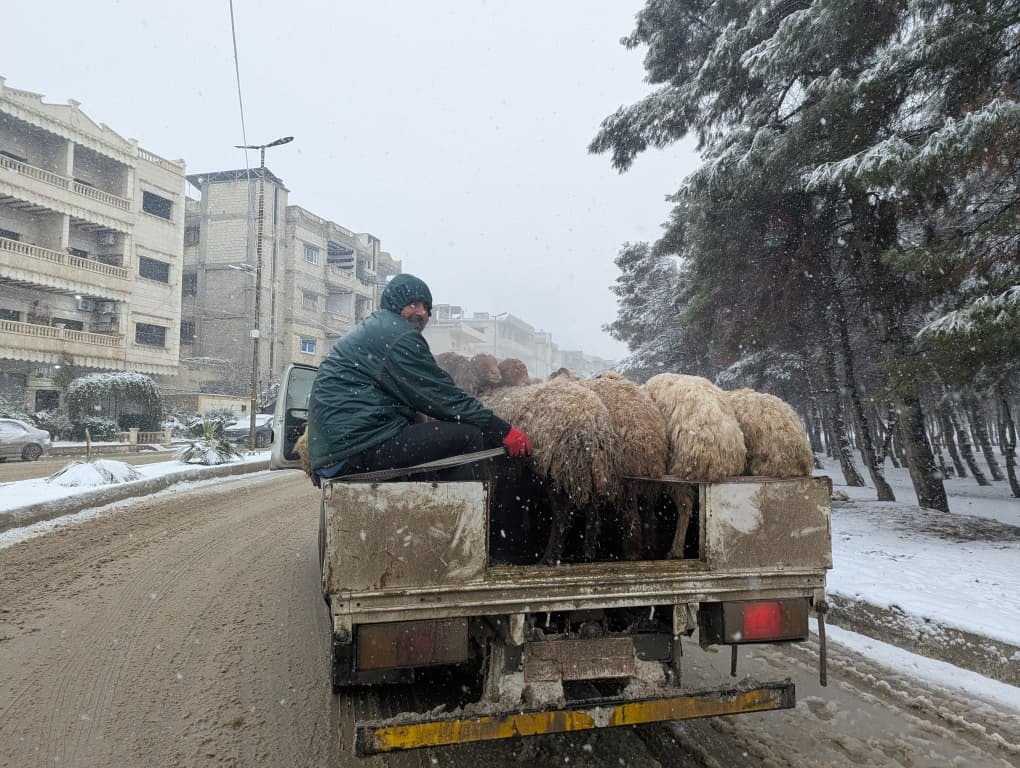
“There is fear, there is tension. People are afraid of being killed, massacred. History is repeating itself.” Mamo is out on the streets of Kobane talking to villagers piling in from the surrounding countryside as they flee attacks from the Syrian Arab Army (SAA).
One year ago, a European delegation of journalists, human rights activists, and politicians visited Kobane to pay homage to the Kurdish YPG and YPJ’s victory over ISIS on its 10th anniversary. They gave a public speech to a packed crowd in the city square, highlighting the legacy of the Kobane battle, seen as a turning point in the global fight against ISIS. In 3-days’ time, it will be the 11th anniversary. Yet the mood could not be more different.
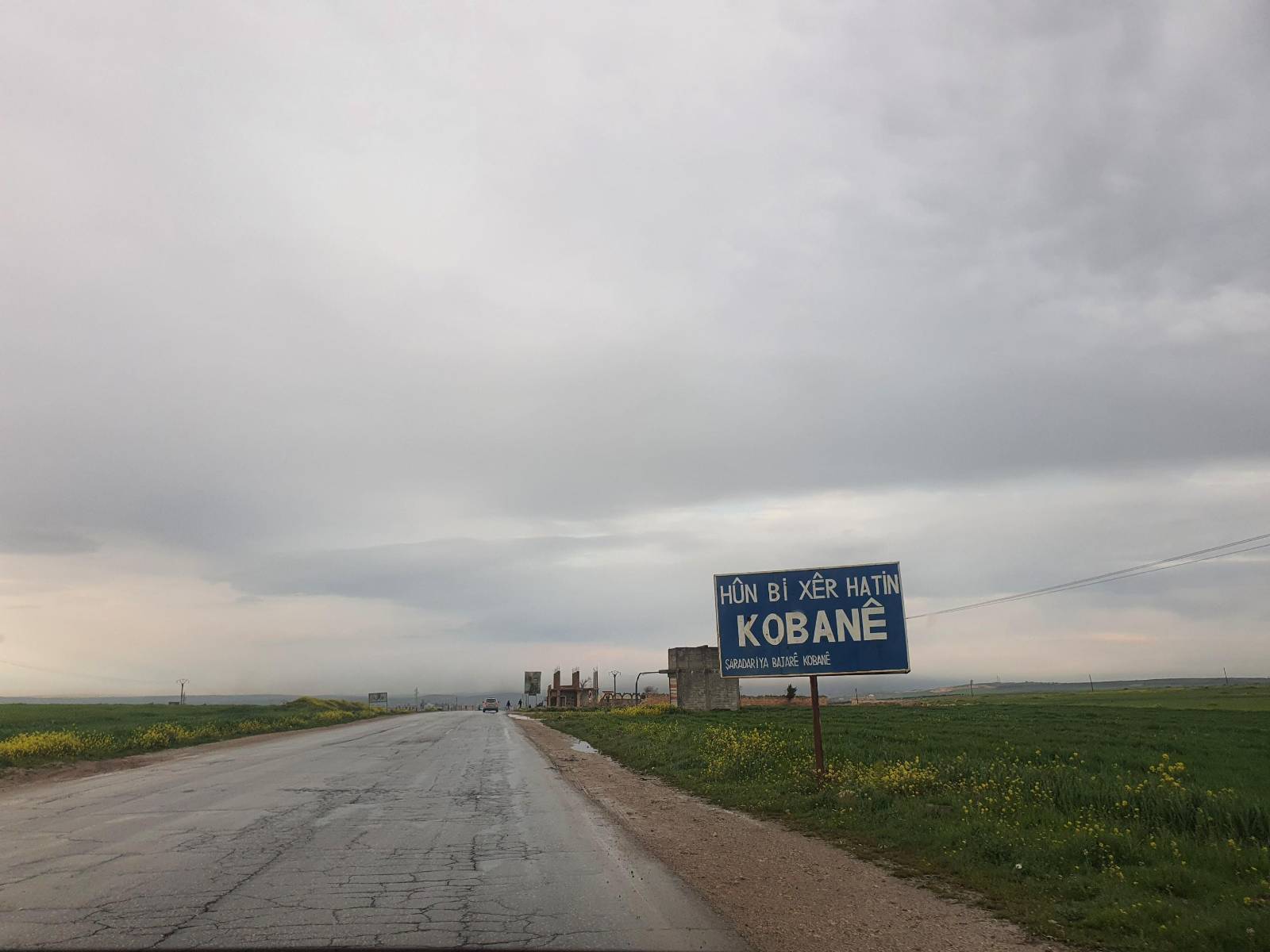
Hundreds of thousands are now trapped between the heavily armed SAA forces approaching from the south, east, and west, and the militarised Turkish border to the north. The Kurdish-led Syrian Democratic Forces (SDF) – which include the YPG and YPJ – have vowed to defend the isolated Kurdish city, but civilians fear an SAA assault is inevitable.
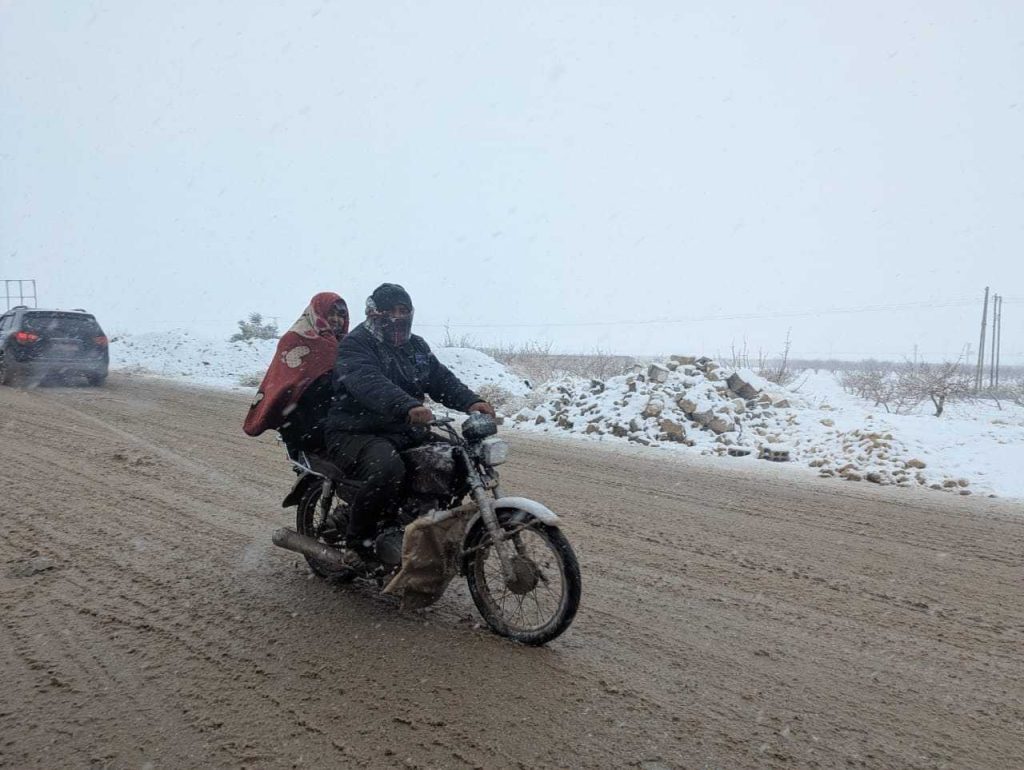
Encircled and under siege, Kobane’s residents say they are running low on basic supplies: “The shortage of food is a serious crisis now”, says Mamo. “If there is no solution in the next few days, it will be even more dire. No fresh fruit or vegetables reach the city. The ovens are working to full capacity.”
The city’s electricity supply usually comes from the Tishreen Dam. Since Damascus took control of the dam a few days prior, no electricity has reached Kobane. This means no water can be pumped and hospitals have no power. Syria’s Ministry of Energy denied it was responsible for power and water cuts and said it would “work on the continuity of supplies according to the available technical capabilities”.
Nisreen Abdullah, a senior commander in the Women’s Protection Forces (YPJ) who is stationed on the frontline in Kobane, said, “There are very fierce attacks. The frontline is around Sarrin.” Sarrin is little over half an hour’s drive from Kobane. The situation is worsened by Kobane’s isolation, as Nisreen Abdullah explained, “Kobane is a small city – it is cut from the Jazira region, therefore is vulnerable.”
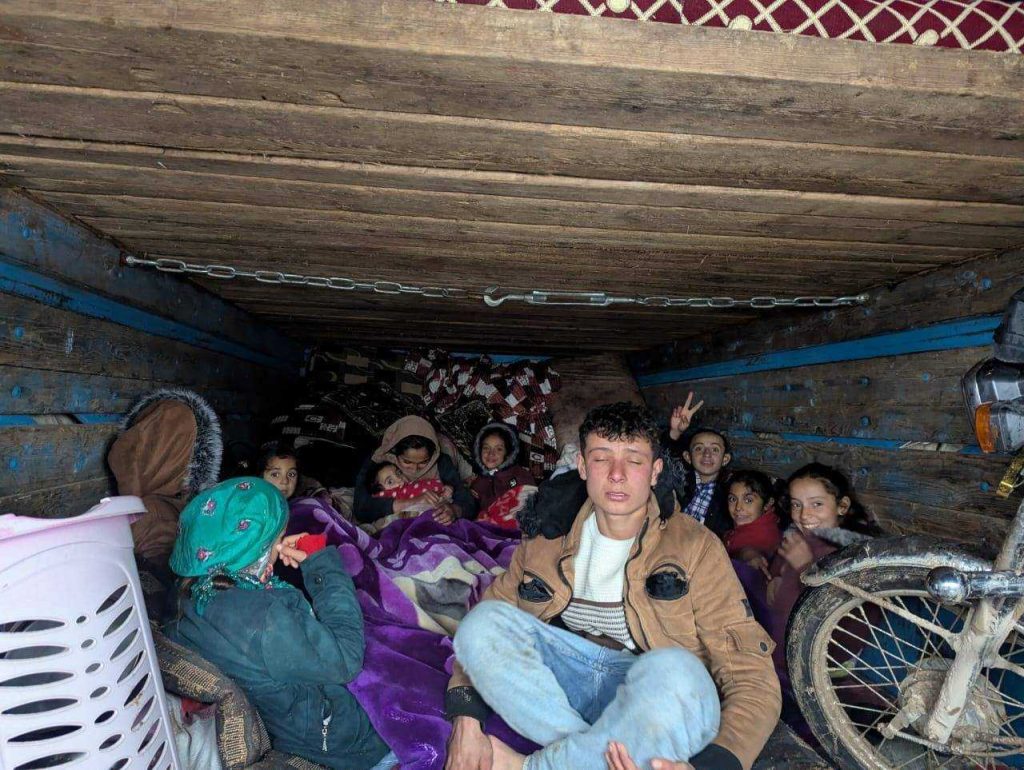
Hamed has just arrived in Kobane city, having abandoned his home and village with his family: “We have all left our homes. We cannot return. We are in this rain, this snow, with nowhere to go, no internet, no electricity, no water. It’s a living death. We are sleeping in the car, on the streets.”
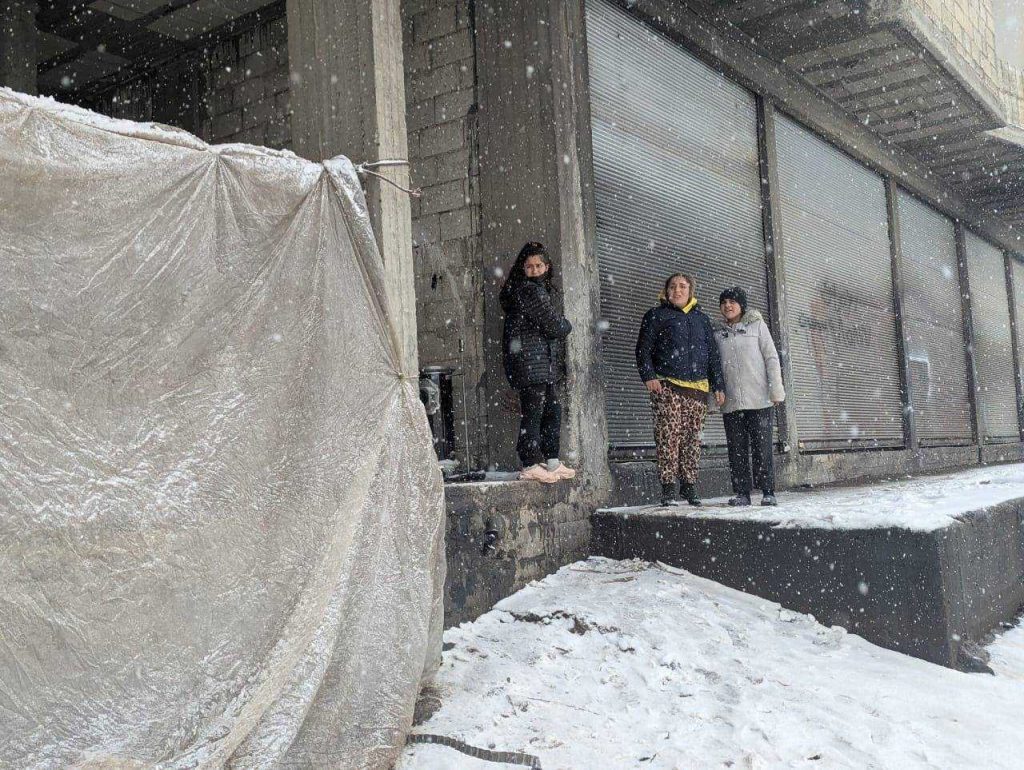
“Snow is falling and families are stuck outside. Some don’t even have cars, they are just in blankets on the street.”
Mamo explains that there is no more fuel and no access to any outside supplies, “because all the roads to the city are cut off.” Regardless of what resources may be available or collected for the city of Kobane, nothing comes in.
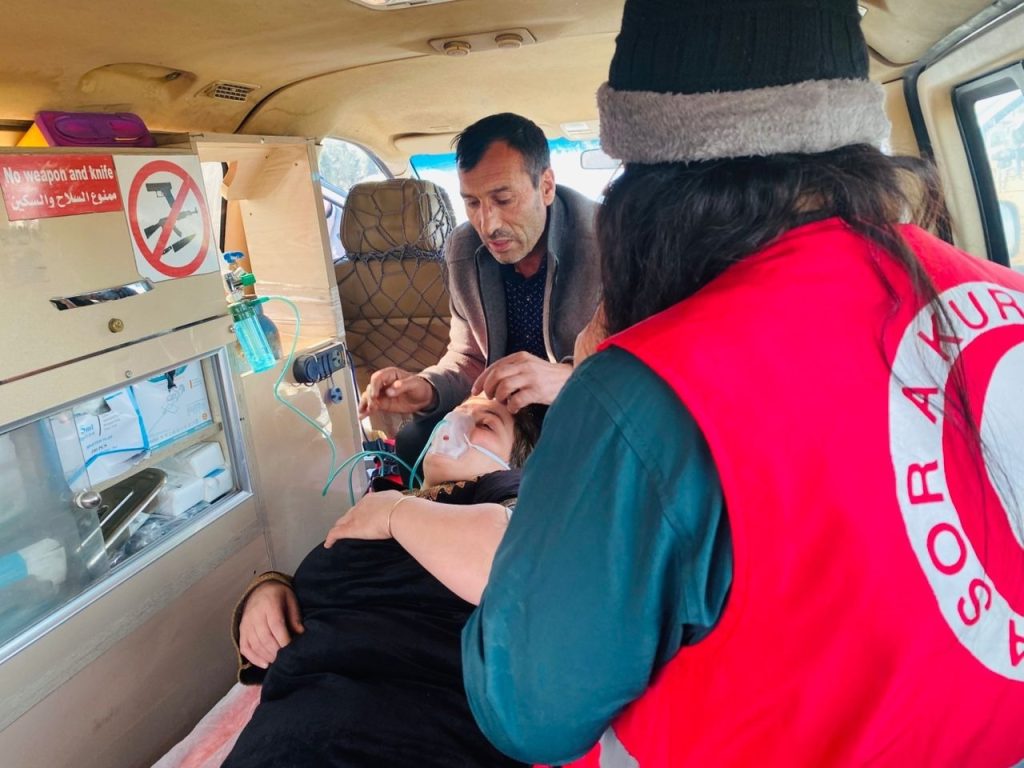
Avdi Mahmoud al-Ali, who works for the Kurdish Red Crescent in Kobane, says several babies have died due to prolonged exposure to freezing temperatures. “Snow is falling, and families are stuck outside. Some don’t even have cars; they are just in blankets on the street.” Yesterday, on his ambulance shift, he transported a woman to the local hospital after she was injured by the SAA factions who were firing RPGs as she was fleeing her village to seek safety in Kobane city. He says even at the hospital now, electricity is a problem. Adding to the cold and lack of water, there is also a shortage of food, “We have one pack of bread between 20 people.”
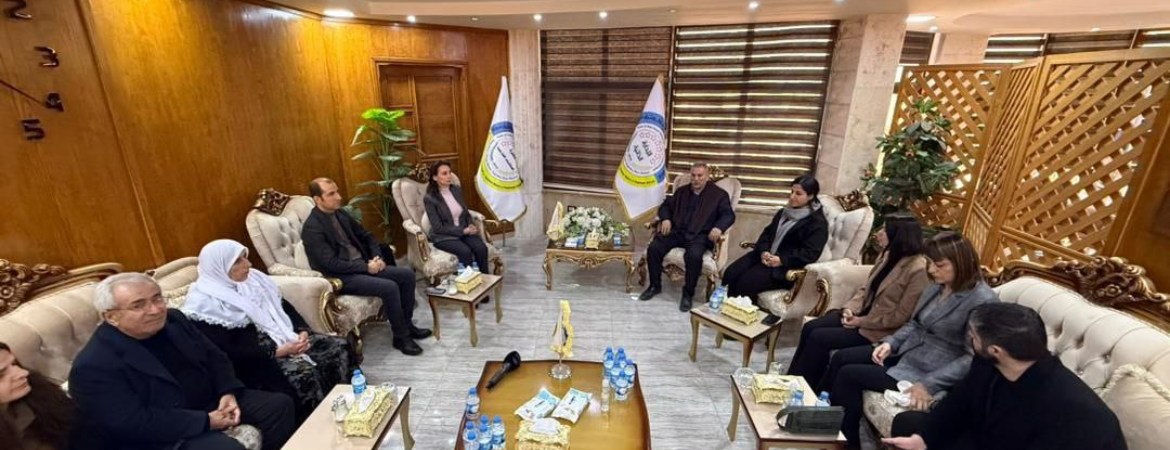
A ceasefire was announced three days ago, offering a four-day window for negotiations to reach an agreement regarding SDF-Damascus integration. Both the SDF and SAA have accused the other of failing to respect the ceasefire, yet dialogue is seemingly still underway.
“What are we supposed to integrate into? Integrate with those who murder us?”
Nisreen Abdullah says the footage she has seen online – of atrocities committed by Damascus’ forces against Kurdish people – makes her question the feasibility of integration, “What are we supposed to integrate into? Integrate with those who murder us? You are beheading us, executing us. You desecrate our dead bodies, don’t consider us human. How are we supposed to integrate? What are the guarantees for integration?” Yet, she maintained that that does not mean they are shutting the door on dialogue, “We are ready for peace and dialogue, but they [Damascus] also have to be ready.”
Yesterday, SDF Commander-in-Chief, Mazloum Abdi met with US envoy Tom Barrack and CENTCOM commander Brad Cooper in Iraq. Some hours later, under a US-brokered agreement, a contingent of 800 SDF fighters who had been left guarding an ISIS prison when the SDF pulled out of Raqqa – and subsequently surrounded and besieged by the SAA – were escorted to the Kobane frontline and allowed to pass across.
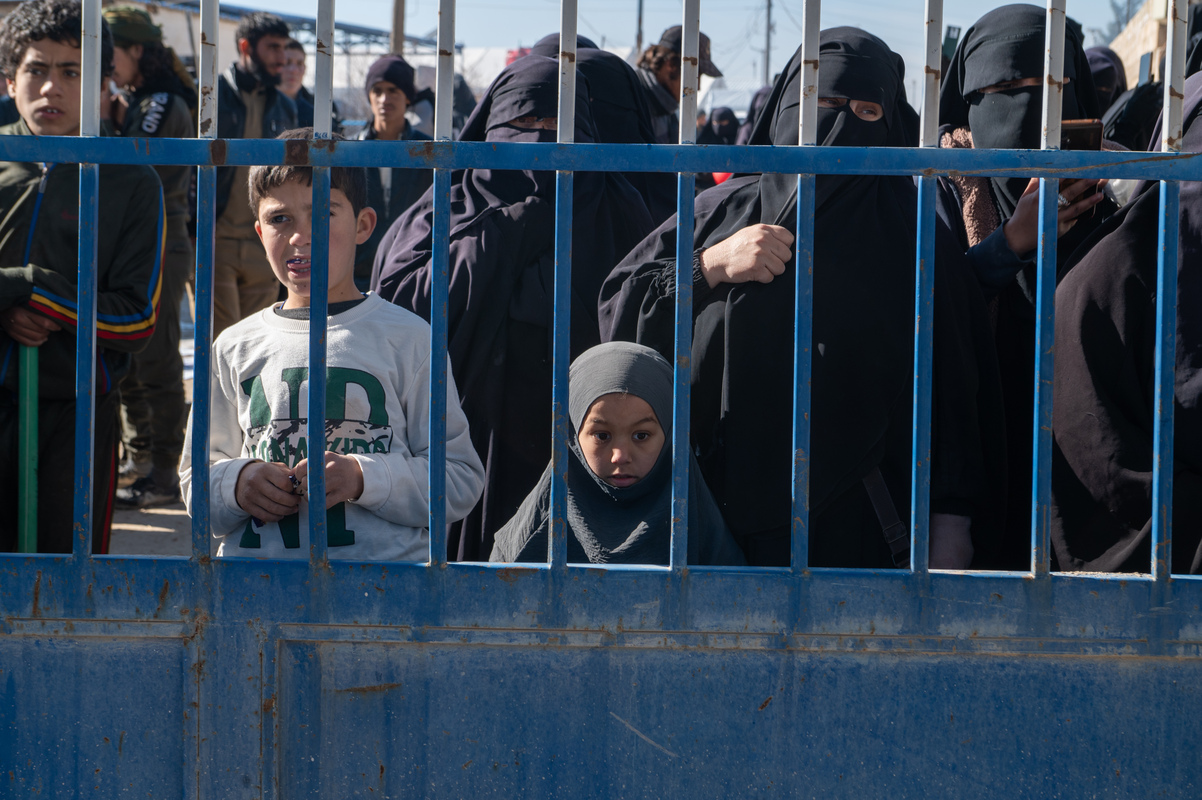
They had been holed up in Raqqa for almost one week and, like their compatriots in Kobane, were also cut off from supplies. Kobane residents welcomed them warmly as their convoy arrived in the city. Families who had spent days worrying about the fate of their sons and daughters stranded in the prison complex ran over to the incoming cars to share hugs and tears of joy. Yet with the small city’s few resources already stretched far over capacity, and humanitarian access still denied, the situation in Kobane has not become any easier.

Eve Morris-Gray
Eve Morris-Gray is a freelance writer focussed on civil society movements and democracy.