No Safe Return: The Unfulfilled Promise of Syria’s March 10 Agreement
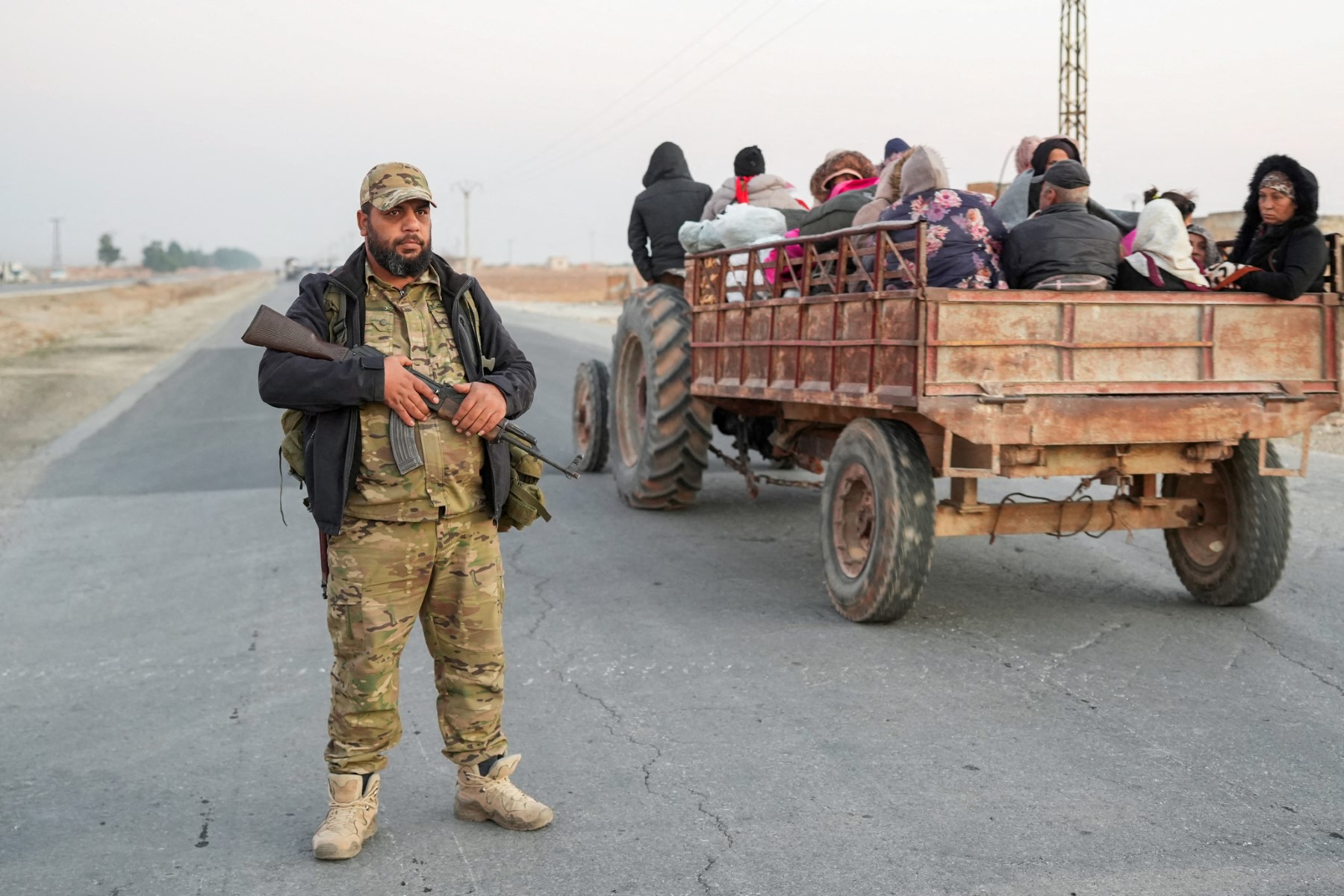
An anti-regime fighter stands on a road as displaced Syrian Kurds drive vehicles loaded with belongings on the Aleppo-Raqqa highway to flee areas on the outskirts of the northern city of Aleppo after they were seized by Islamist-led rebels on December 2, 2024. (Photo by Rami al SAYED / AFP)
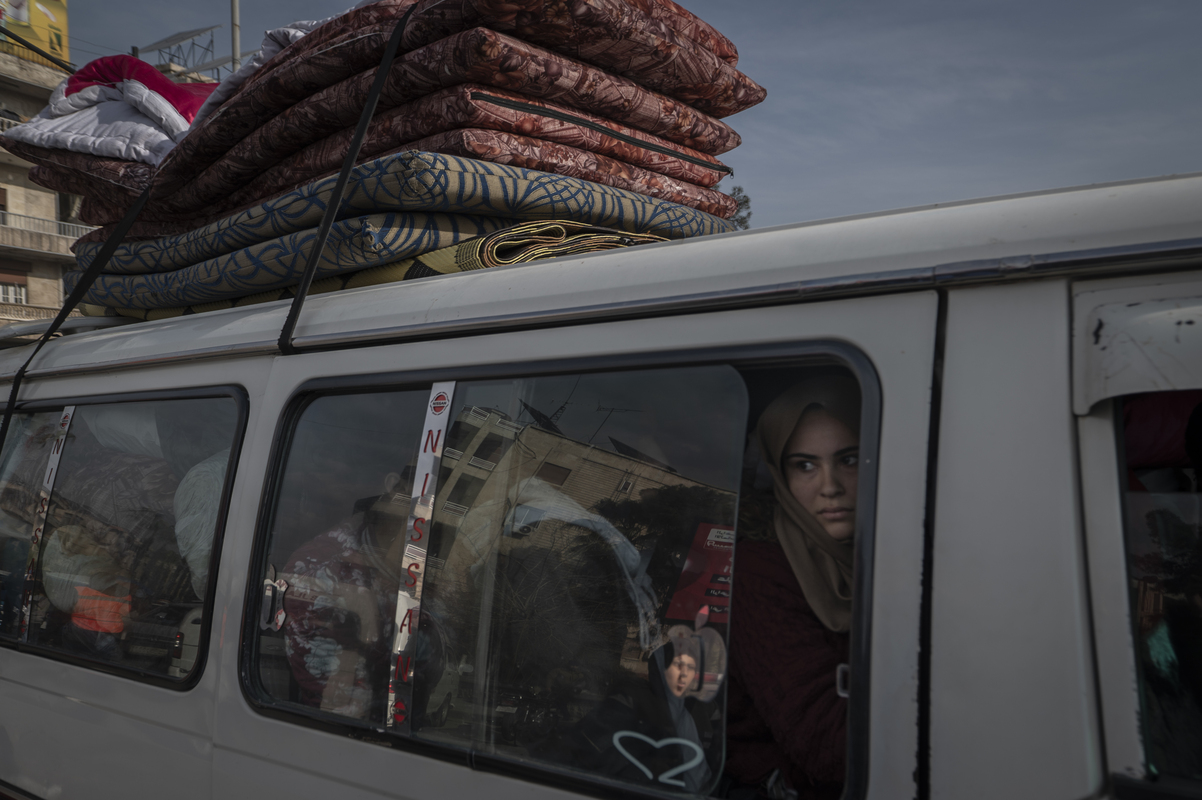
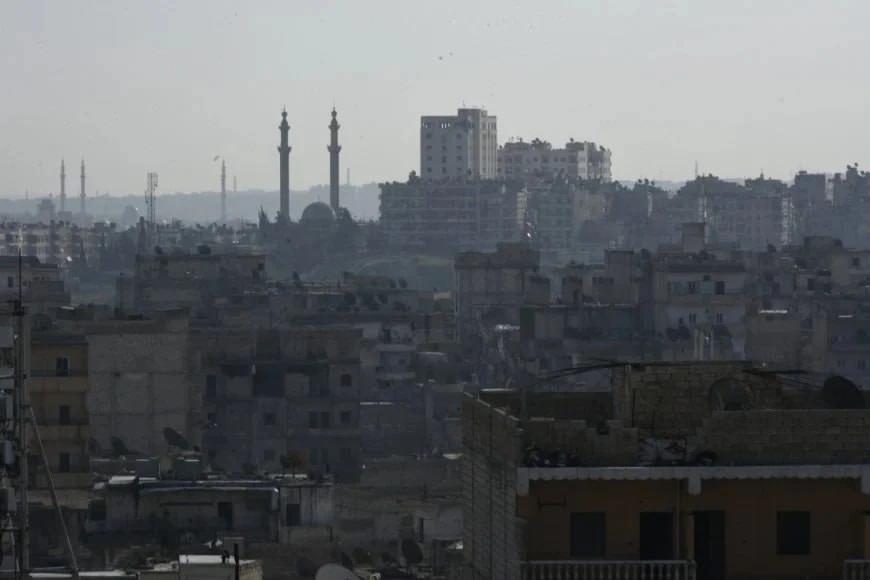
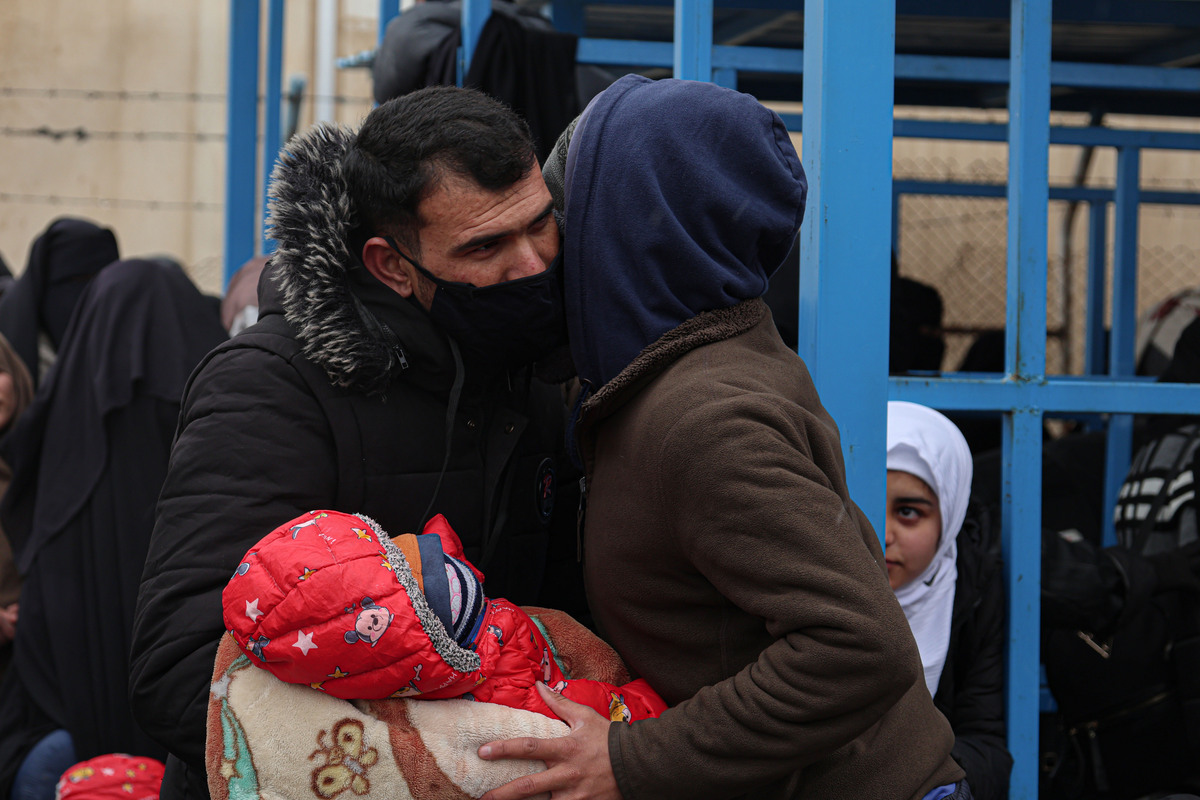
The March 10 Agreement between Syria’s transitional government and Kurdish forces promised the safe return of internally displaced persons (IDPs). However, as the end of 2025 approached, the commitment remained unfulfilled. In January 2026, renewed military escalation in Aleppo’s Kurdish neighborhoods further undermined the agreement’s viability when Syrian forces declared civilian areas “closed military zones” and forced mass evacuations.
In March 2025, a landmark agreement was signed between Syria’s transitional government and the Syrian Democratic Forces (SDF). The agreement aimed to end years of division and lay the foundation for national unity. The deal, known as the March 10 Agreement, included commitments to a ceasefire, integration of the SDF and the Democratic Autonomous Administration of Northeast Syria’s (DAANES) institutions into the Syrian state, and the safe return of displaced people. However, as the year-end implementation deadline has passed, the promise of return remains unfulfilled, especially for the Kurds of Afrin, Sere Kaniye, and Tell Abyad.
One of the most significant obstacles to their return is Turkey’s continued occupation of northern Syria.
The agreement affirmed Syrian unity and guaranteed citizenship and political representation for all Syrians, regardless of ethnicity or religion. It was seen as a rare moment of convergence between two historically antagonistic forces. It recognized the Kurdish people as an integral part of Syria and pledged to integrate institutions in the northeast into the national framework. However, practical implementation has stalled as the new Syrian Government prioritizes SDF dissolution to the new Syrian Army rather than a holistic democratic integration, leaving thousands of displaced Kurds in limbo.
Turkish Occupation
One of the most significant obstacles to their return is Turkey’s continued occupation of northern Syria. Since 2018, Turkey has occupied Afrin, Serekaniye, and Tell Abyad, displacing approximately 325,000 Kurds from Afrin and 150,000 from the other two areas.Turkish-backed Syrian National Army (SNA) factions have forcibly displaced Kurds and settled Arab and Turkmen families in their homes. Human Rights Watch has documented widespread abuses, including abductions, torture, and sexual violence committed by SNA factions such as the Hamza Division and the Sultan Suleiman Shah Division, which was recently sanctioned by the UK.
“Turkey maintains control of Afrin and Sere Kaniye through its undisciplined affiliated factions, encouraging a chaotic security situation to prevent stability, return, and property restoration”
One of the key reasons for the ineffectiveness of the 10-March agreement is that Turkish-backed SNA factions oppose it, since its implementation would strip them of the lucrative income they have derived from the confiscated property since 2018. In the meantime, Turkey intends to remain in the Kurdish areas to prevent the Kurds from attempting to regain control of the Kurdish-populated territories west of the Euphrates as part of the Autonomous Administration. Turkey opposes any Kurdish gains in Syria, considering them as an extension of the gains of the Kurdistan Workers’ Party (PKK)
“Turkey maintains control of Afrin and Sere Kaniye through its undisciplined affiliated factions, encouraging a chaotic security situation to prevent stability, return, and property restoration,” said Rashid Shaaban, a lawyer and member of the Kurdish Yekîtî party who was displaced from Afrin in 2018. “Turkey is attempting to obstruct the agreement through its political agents and faction leaders to pressure the SDF into making concessions and prevent the Kurdish issue from being officially recognized in the constitution.”
For many displaced Kurds, the agreement offers little reassurance. Muhammad, a 60-year-old from Shahba who flew to Qamishlo in December, said, “The agreement promises to ensure the return of all displaced Syrians and guarantees their protection by the Syrian state. But all we see from this government is tribal appeals and sectarian incitement. How am I supposed to trust them?” This sentiment reflects a broader lack of confidence in the transitional government, which many believe is still influenced by its extremist jihadist allies and fails to protect minorities.
Refusal to Leave
Another barrier is the reluctance of Arab and Turkmen settlers to relocate. After Bashar al-Assad fell, many Arab settlers returned to Afrin and Serekaniye, but those who remained refused to return their houses to their original Kurdish owners. In some cases, settlers have demonstrated publicly against the return of displaced Kurds. The transitional government, which has formal authority in these areas, has not enforced its own decisions. This allows SNA factions to maintain control and continuously commit abuses.
The geographic location of Serekaniye and Tell Abyad—situated between SDF-controlled areas and the Turkish border—has left Arab populations, many of whom were relocated by Turkey during the conflict, effectively trapped in place, including those who wish to leave. These individuals are not part of any official policy but are displaced civilians caught in the aftermath of war. Departure requires passage through SDF-controlled areas or crossing into Turkey, both of which remain largely inaccessible. Meanwhile, displaced Kurds like Suleiman, 43, who has lived in the Washokani camp since fleeing in 2019, see no reason to hope. “I do not see any changes after this agreement,” he said. “I still can’t return home, and there are no favorable conditions for me to return on my own.”
Challenges of the March 10 Agreement
Although the March agreement alleviated fears of direct conflict between the SDF and transitional government forces, it has not encouraged the people of Afrin and Sere Kaniye to return home collectively.
The situation is further complicated by the unresolved question of SDF integration. While the SDF has stated that it will join the Syrian Army as a unified bloc, the transitional government interprets integration as the dissolution of the SDF and the absorption of its members on an individual basis. The conflicting ideologies of the two parties have led to a deadlock in negotiations, thereby exacerbating the situation’s complexity.
“Currently, there is enormous political chaos in Syria. The Kurds have little trust in any progress made due to the absence of guarantees,” said Abd al-Halim Suleiman. Suleiman, a journalist displaced from Sere Kaniye in 2019, says that Damascus operates under constant Turkish pressure and seeks centralized control, whereas the SDF advocates for decentralization. “The lack of real progress in negotiations between them impedes addressing other issues,” he said.
In fact, the January 2026 military assault on Aleppo’s Kurdish neighborhoods was more than a local security incident; it may signal a fundamental breakdown in the implementation framework of the March 10 Agreement.
On December 29, 2025, media outlets reported that SDF Chief Mazloum Abdi had arrived in Damascus—just days before the agreement’s deadline. The visit was later postponed, citing “technical reasons,” raising questions about the commitment to implementing the deal.
After nine months marked by threats against Kurds if they did not integrate, massacres against Druze and Alawites, constant sectarian incitement, and targeted attacks, the agreement remains largely on paper. In fact, the January 2026 military assault on Aleppo’s Kurdish neighborhoods was more than a local security incident; it may signal a fundamental breakdown in the implementation framework of the March 10 Agreement. As the transitional government rejects dialogue with the Kurdish leadership and declares civilian neighborhoods legitimate military targets, the prospect of a safe return for displaced Kurds grows more distant.
The failure to deliver on safe return has broader implications: With over 7.4 million internally displaced persons and 6 million refugees abroad, Syria’s reconstruction hangs in the balance. However, without security, property rights, and institutional support, the prospect of return remains distant.

Aras Youssef
Aras Yussef is a Research Associate with the Kurdish Peace Institute’s office in Qamishlo, North and East Syria.