The Kurdish Language in a Never-Ending Struggle: Bans, Resistance, and the New Peace Process
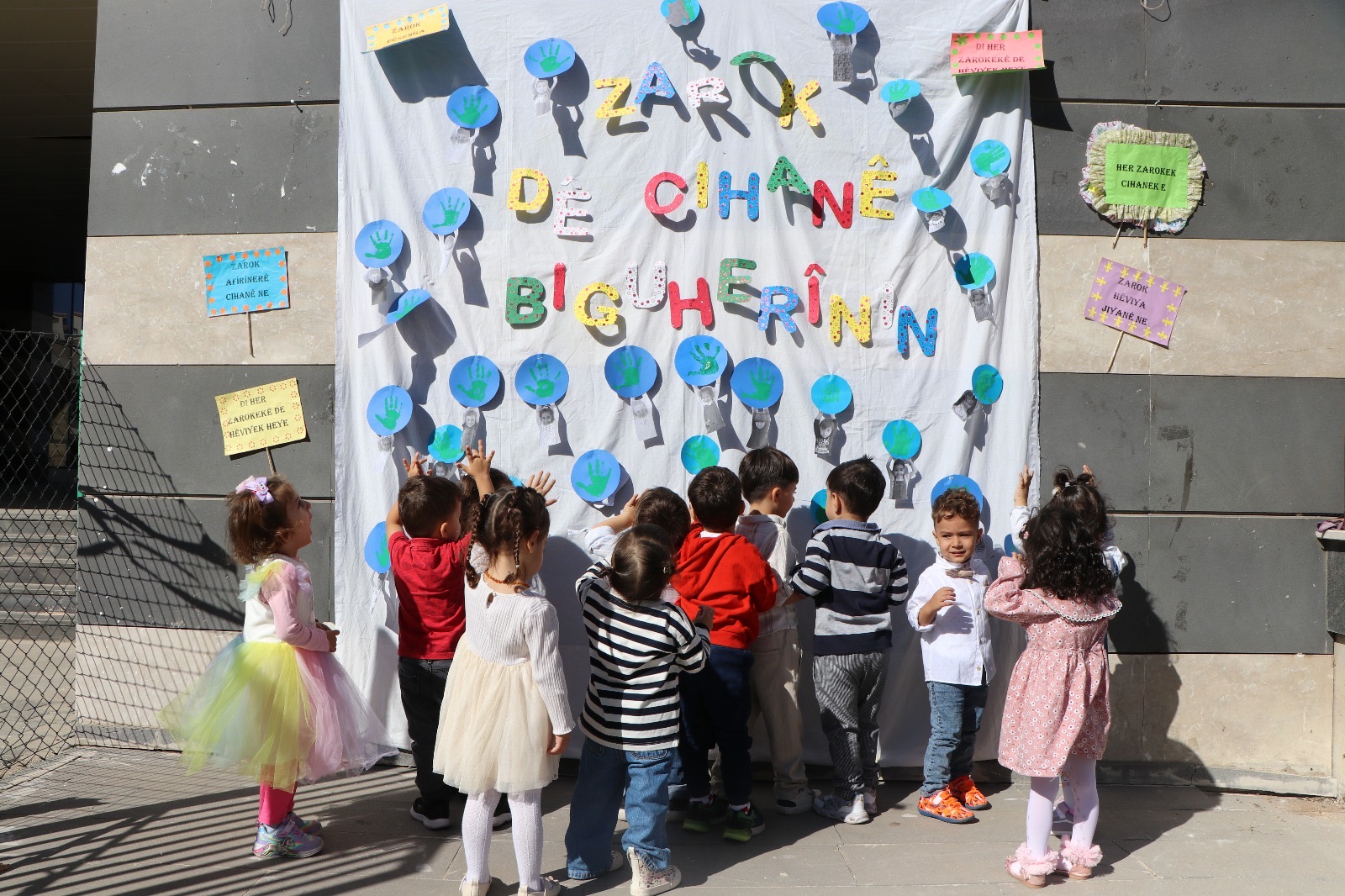
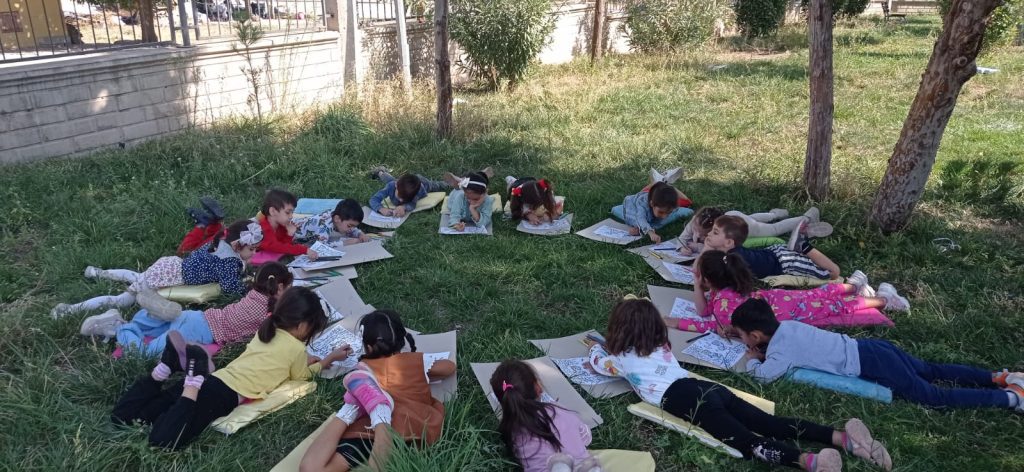
A Zarokistan affiliated with Peyas Municipality in Amed | Picture Credits: MED-DER Archives
A Zarokistan affiliated with Peyas Municipality in Amed | Picture Credits: MED-DER Archives
While restrictions and bans on the Kurdish language have persisted for years in Turkey, one of the fundamental demands prominent in this period of peace talks is education in Kurdish and attaining official status for the language. Despite the ongoing talks, the bans on the Kurdish language remain in place.
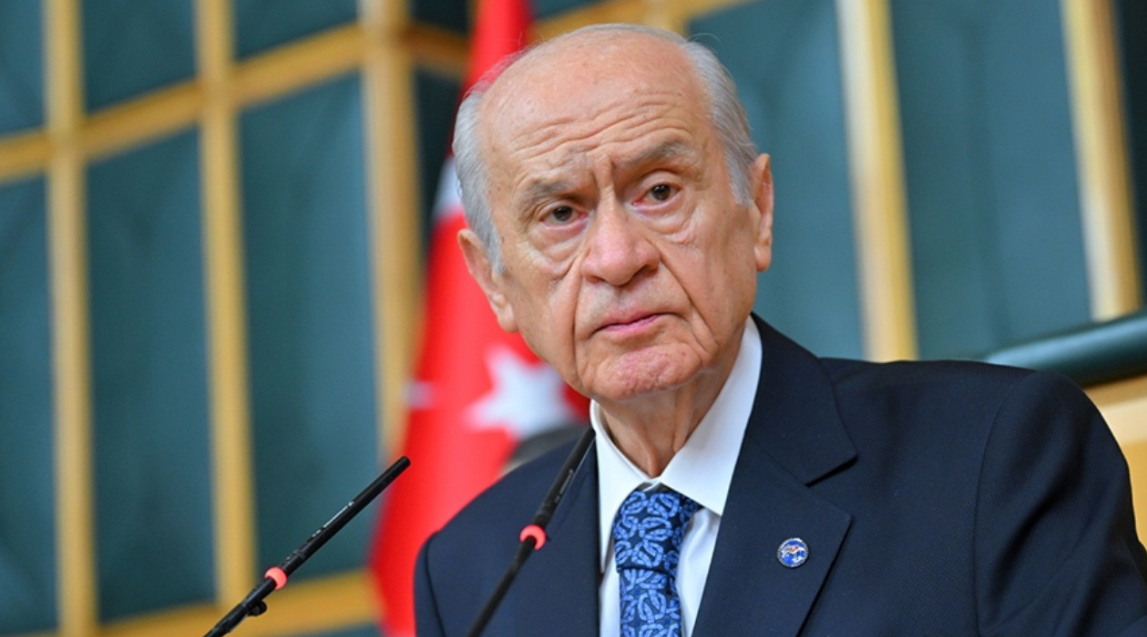
During the 5th session of the Parliamentary Commission to oversee the peace process, the Peace Mothers, despite being invited to address the Commission, were not allowed to speak in Kurdish. This ban on the Kurdish language in the Commission is significant, given that it was established as a first step toward peace talks and discussions on Kurdish rights.
When the 2013 peace process in Turkey ended in 2016, trustees were appointed to Kurdish municipalities. One of their first actions was to shut down language centers and various cultural institutions. After the 2024 local elections, these municipalities were won back by the pro-Kurdish rights DEM Party, and previously closed institutions began to reopen. However, this has not abated pressure on the language.
Pressure on the Kurdish Language Continues
Peace Mother Sultan Bozkurt said that before the Parliamentary session, they were told they could speak Kurdish in the Turkish Parliament, and that they were happy about this. However, during the session, they were warned that their statements would not be recorded if they spoke Kurdish, effectively preventing them from doing so.
These Zarokistans were among the most important steps towards education in the mother tongue and stood against the long-standing bans on Kurdish
While the Kurdish language has been, historically and systematically, one of the main areas of repression in Turkey and especially in Bakur (the Kurdish part of Turkey), some positive steps were taken during the 2013 peace process. Municipalities in Bakur opened Zarokistan (similar to kindergartens) that provided education for children aged 3 to 5, and moreover, primary schools offering education in Kurdish were established during that period.
The Zarokistans were among the most important steps towards education in the mother tongue and stood against the long-standing bans on Kurdish. Dilan Güvenç, a member of MED-DER(Mesopotamia Language and Cultural Research Association) and the Zarokistan Coordinator of Peyas Municipality in Amed, says that the Zarokistan program aims to support children’s cognitive and emotional development while protecting their language rights. She adds that their work is based on democratic values and follows a non-sexist, non-militarist, and non-nationalist approach, and, in contrast to the current monolithic education system, promotes multiculturalism and multilingualism.
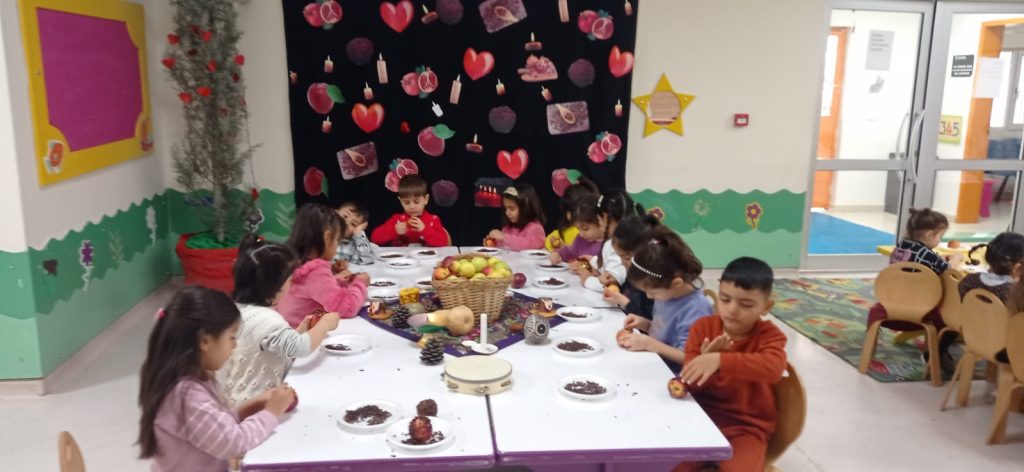
However, with the halting of the peace process in 2016 and the appointment of trustees to Kurdish municipalities, these Zarokistans and schools providing Kurdish education were among the first to be shut down. One of these closed schools is the Ferzad Kemanger School in Amed (named after the Kurdish language activist, poet, and journalist who was executed in Iran for his activism in 2010).
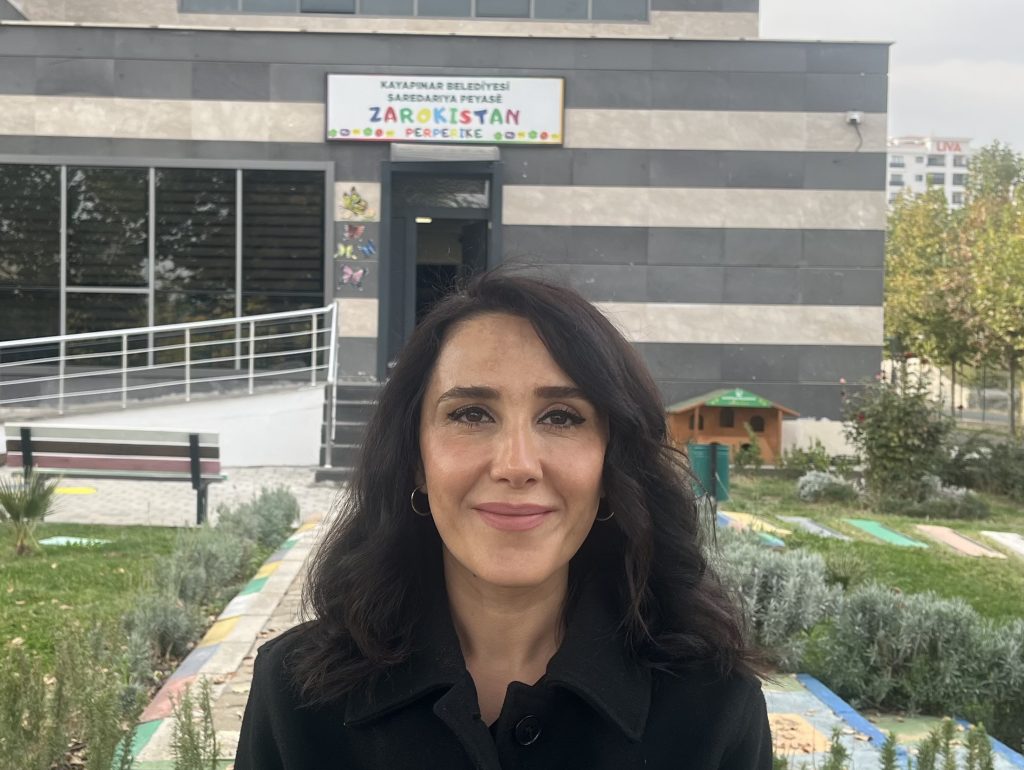
Yılmaz Güneş, Deputy Mayor of Peyas Municipality, said, “After 2016, a policy of cultural genocide was initiated against many linguistic and cultural institutions, the Zarokistan being one of them.” Zarokistan and Ferzad Kemanger were very important schools for Amed, and the demand for these schools from families and children was very high. Güneş asserts that Zarokistan reflects the country’s identity and its approach to language, while the school represents free schools. In addition, other Kurdish-language institutions were shut down, including Kurdi-Der in 2016. After these closures, Güvenç notes that there was a serious need for coordination to continue Kurdish-language work. Med-Der, founded in 2017, emerged to fill this void.
MED-DER currently carries out significant work in promoting the Kurdish language. Co-Chair Remzi Azizoğlu says that the association’s main goal is to protect, develop, and promote Kurdish. Noting that the use of Kurdish is declining, he explains that to strengthen the language, they offer voluntary Kurdish courses and ensure it remains respected, focusing on developing terminology, standardizing grammar, and increasing the number of Kurdish publications.
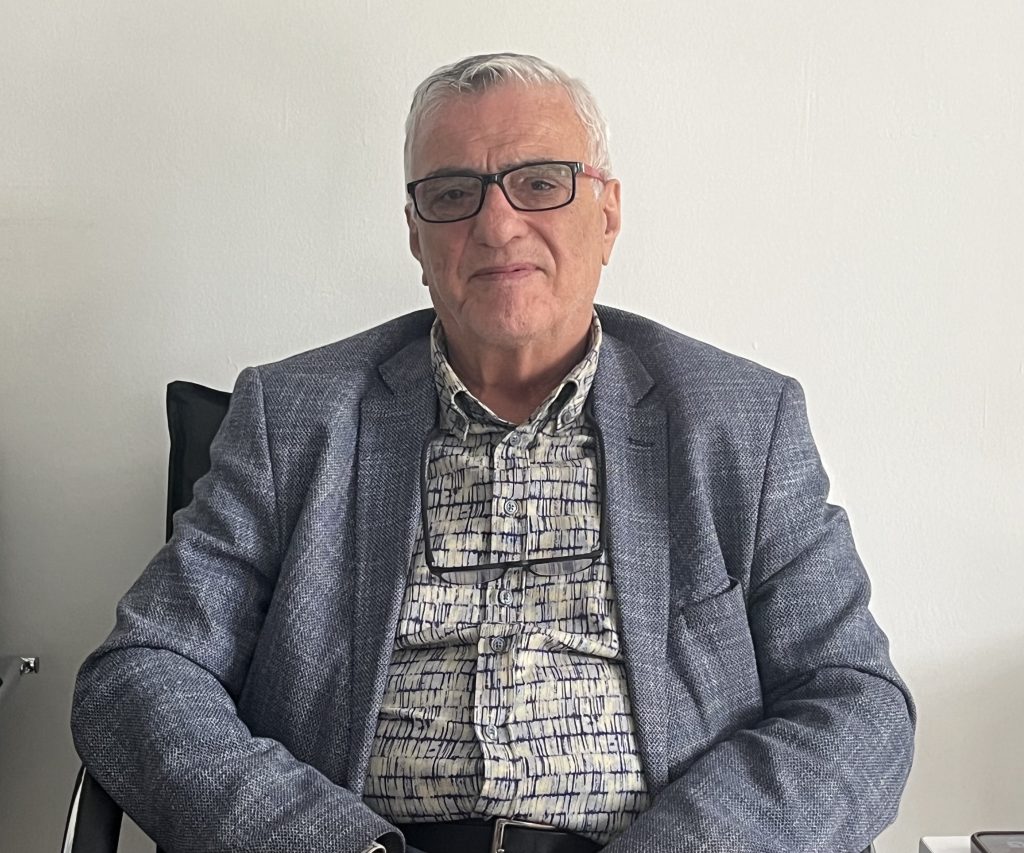
As a result of these activities, all 30 MED-DER directors and members were detained in 2024 and held for 4 days. Azizoğlu also says that the association is still being inspected for arbitrary reasons and fined.
While Kurdish-language kindergartens and schools face closures, and associations promoting Kurdish activities are often pressured, some state universities offer programs in Kurdish studies, including bachelor’s, master’s, and even doctoral degrees. One of the first such programs was the Kurdish Studies Department at Mardin Artuklu University.
Hikmet Atlı, a faculty member in the Department of Kurdish Language and Culture, says that while he was completing his doctorate in 2017, there was no attempt to close the Kurdology department. However, he adds, “They did not allow any activities related to Kurdish culture, either by student clubs or by the department itself; they told us not to draw attention. In other words, they didn’t allow Kurds to be organized or visible.”
“If you allow a PhD but prevent children from speaking Kurdish in school, that’s a clear use of assimilation policy”
Atlı also emphasizes the double standard in language policies: while universities allow Kurdish-language programs at the undergraduate and graduate levels, Kurdish kindergartens and primary schools are blocked. “If you allow a PhD but prevent children from speaking Kurdish in school, that’s a clear use of assimilation policy,” he says.
Another contradiction in universities that offer Kurdish-language programs is that admission to bachelor’s programs taught in Kurdish is determined through the regular exam system, without a separate language test. Of course, for a Kurdish language exam to exist at the university entrance level, Kurdish would need to be taught legally in high schools and lower-level schools.
Requests from the Peace Process
One of the first steps for peace is removing the barriers and bans on Kurds’ right to use their mother tongue. Güvenç emphasizes that their demands are clear: the Kurdish language must have an official status, and education should be provided in the mother tongue. She adds that they have submitted a report urging Turkey, as a signatory to the Universal Declaration of Human Rights, to respect these inalienable rights and to formalize the mother-tongue issue rather than treat it as a negotiable matter.
Founded in 1995, the Education and Science Workers’ Union (Eğitim-Sen) is the only education union in Turkey whose charter includes the demand for mother-tongue education. Serhat Kılıç, Co-Chair of Eğitim-Sen Amed Branch No. 2, says the union has long raised this demand on both pedagogical and political grounds. Pedagogically, he notes that when children start school in a language other than their mother tongue, essential learning is delayed, harming academic success. This, he adds, leads to self-doubt, learned helplessness, and obstacles in children from realizing their potential. “It is a fact that all children must be educated in their own languages,” he says. Politically, Kılıç underlines that mother-tongue education is essential for preserving the languages and cultures of peoples and nations, and that without it, a natural process of assimilation takes hold.
He states that Eğitim-Sen conveyed these demands to the parliamentary commission, stressing that the right to mother-tongue education must be implemented urgently, with a clear timeline and short-term planning.
Preparations for Kurdish Language Education
Despite all these bans, peace talks continue, and education in the mother tongue, Kurdish, is one of the essential elements of the process.
Güvenç says that during the 2013 peace process, one could experience education in the mother tongue, thanks to schools like the Ferzad Kemanger School, and she adds, “We are currently working on curricula and resources, and these efforts are being carried out by specific academic circles. We can clearly say that curricula, resources, and materials have been developed for preschool education. However, work for primary, middle, and high school levels is still ongoing.”
Among the foundations closed in 2016, the Mesopotamia Foundation aimed to establish a multilingual university focusing on Kurdish-language research. However, the process was disrupted, and the university was never realized. Güvenç emphasizes that despite pressures and bans, they have long worked in areas like terminology, folklore, and lexicography and have the capacity to run such a university, which could be established once the legal and constitutional barriers are removed.
Eğitim-Sen will play an important role if education in the mother tongue becomes possible. In this regard, they recently organized a workshop titled “Opportunities, Obstacles, and Proposed Solutions for Education in the Mother Tongue.” Serhat Kılıç explains the education model they presented for Turkey in this workshop as follows: “Turkey is a country where many different groups live together. Therefore, we propose a mother tongue-based, multilingual education model for Turkey, a model that will both allow for the coexistence of these differences and will not eliminate differences.”
Despite all the Pressure and Assimilation Policies, Demand for Kurdish is very high
During the period when Kurdish was banned, and schools were closed, lessons continued to be taught to children in homes and gardens, and the struggle for the mother tongue never ceased.
Güvenç points out that while 2 out of 10 children in Zarokistan did not know Kurdish in 2013, that proportion has risen to 8 out of 10
Yılmaz Güneş states that this year, there were 600 applications to the Zarokistan in Peyas Municipality alone, but they only have a capacity of 160 people and are working hard to meet the demand. At the same time, the criminalization of the Kurdish language brought assimilation policies in its wake. Güvenç points out that while 2 out of 10 children in Zarokistan did not know Kurdish in 2013, that proportion has risen to 8 out of 10. Remiz Azizoğlu states that because Kurdish does not have official status, the rate of Kurdish speakers has fallen to 30 percent among parents and eight percent among children.
Despite the closure of language institutions and the continued pressure after 2016, the work and demand for them never stopped. Following MED-DER in 2017, a language and culture network called Tora Ziman û Çanda Kurdî was established in 2020. Dilan Övünç says that, thanks to this, language associations continue to open not only in Amed but also in several other places, and that there are currently 23 language institutions throughout Kurdistan and Turkey.
For most of the twentieth century, the Turkish state banned the Kurdish language entirely as part of a wider assimilation policy aimed at enforcing a singular national identity; from the 1920s through the early 1990s, speaking Kurdish in public, printing Kurdish texts, or broadcasting in Kurdish was criminalized. These restrictions began to loosen in the 1990s, and during the so-called “Kurdish Opening” of the mid-2000s, the government permitted limited cultural expression, launched the state-run Kurdish TV channel TRT Kurdi, and allowed private Kurdish courses and publications.
Yet, despite the formal end of the ban, Kurdish remains heavily restricted in education and public institutions, and the legacy of decades of prohibition still shapes the political struggle over language rights today.

Şilan Bingöl
Şilan Bingöl is an independent researcher who studied sociology at Galatasaray University and Ecole Normale Supérieure de Lyon. Her master's thesis is on media sociology.