
The Alliance That Broke Rojava: Arab Tribes and the Fall of Kurdish Control
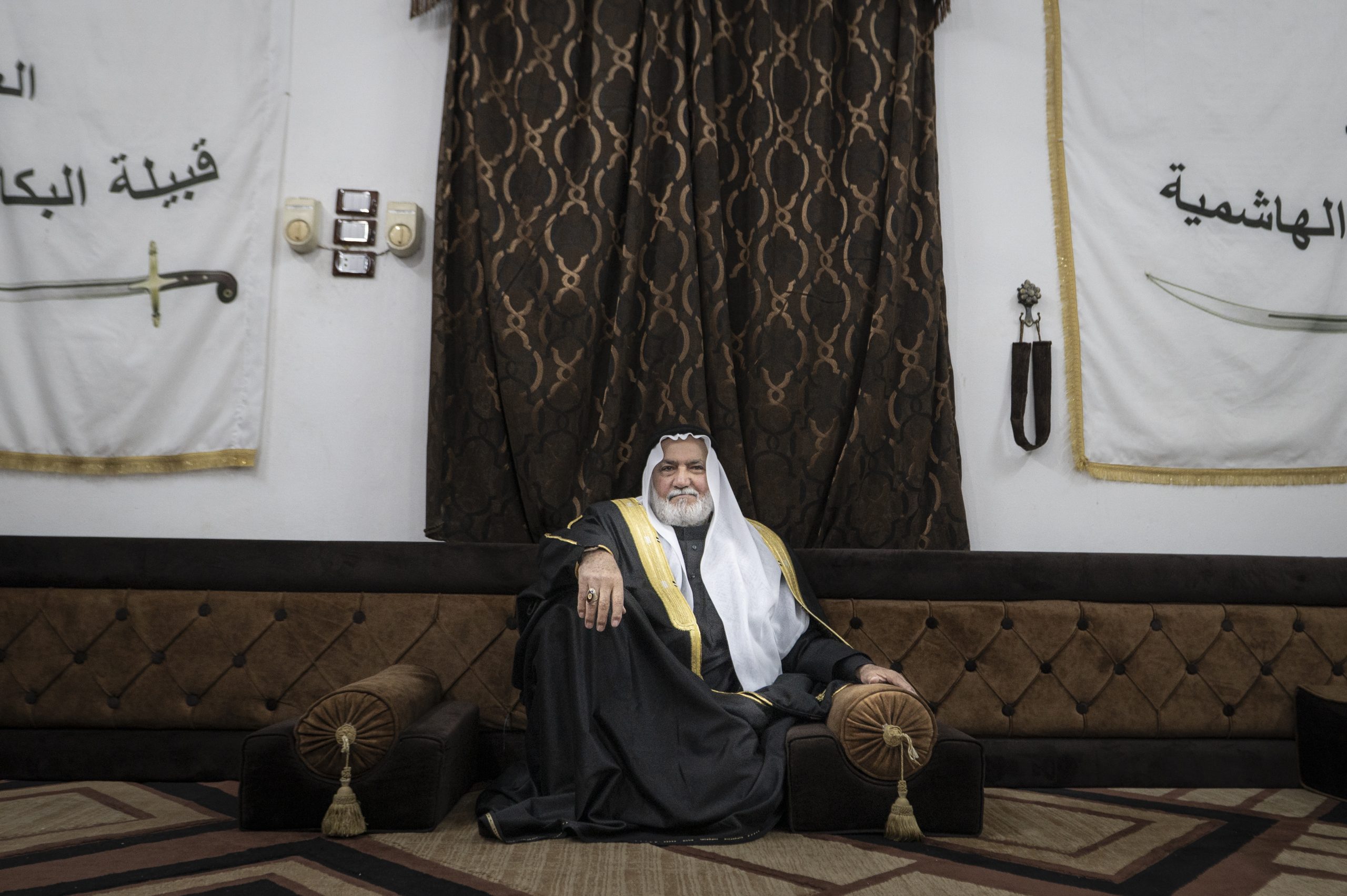
Hisham al-Bashir, one of the main sheikhs of the Bagara tribe in his home in Deir Ezzor, 19th January 2026 Photo credit: The Amargi
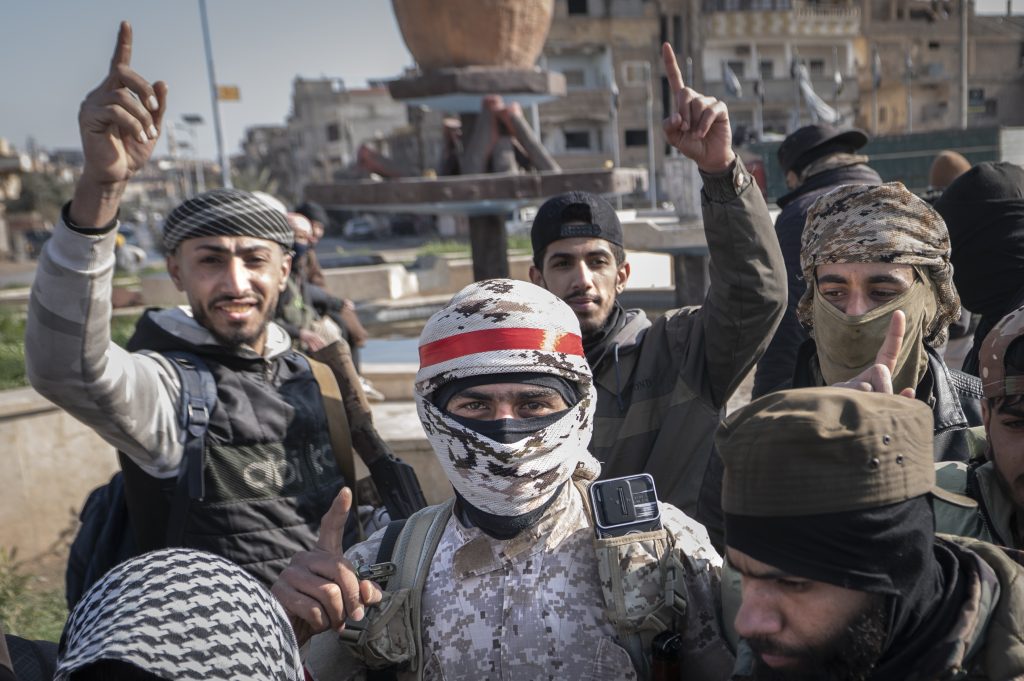
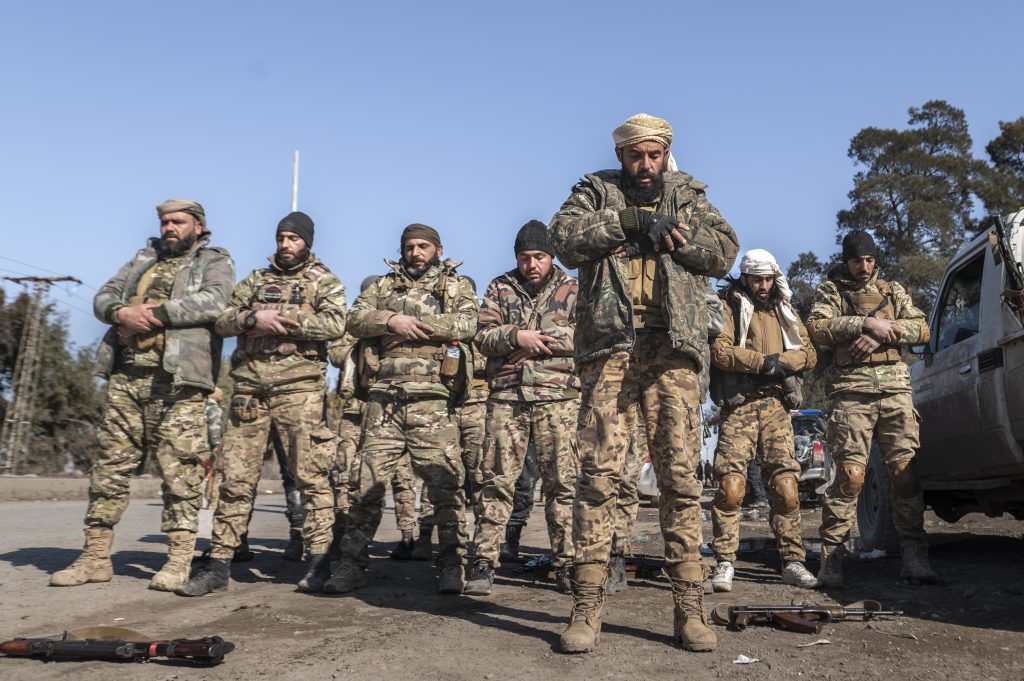
Deir Ezzor, The Amargi – At the central roundabout of Deir Ezzor, on the banks of the Euphrates, hundreds of Arab tribal fighters gathered to celebrate the SDF’s withdrawal. Dressed in camouflage, scarves wrapped around their heads and heavily armed, they dispersed in trucks to march north.
The war on the Kurds of Rojava has pushed the Autonomous Administration (DAANES) to the brink of collapse. The Damascus government’s overwhelming military advance was surprising as it broke through the defenses and infrastructure built by the SDF over years. But Damascus did not act alone: Turkey’s military support and the American silence played a key role in the siege.
“Many of the sheikhs have historically changed loyalties depending on who appears strongest at protecting their personal business interests, even while claiming to act in the community’s best interests.”
The retreat cannot be explained solely in military terms, but also through more complex social and political dynamics within the territories once governed by the DAANES. Among them is the issue of the alliance with Arab tribes, which was one of the main structural pillars of the DAANES and which represented more than 80% of the population of the northeast. The fall of Assad put that alliance, crucial in defeating ISIS, into question.
Once current Syrian interim-president Al-Shaara came to power, tribal leaders began pushing for a political agreement with Damascus to achieve territorial integration with the rest of the country. This slow, underground shift deepened following the signing of the March 10 agreement – which aimed to achieve territorial, political, and military integration of the northeast. The breakdown of negotiations extended implementation timelines, accumulating tensions that finally exploded in January.
“In recent years, Arab populations have publicly expressed their concerns and grievances against the SDF-led administration.”
A Shifting Alliance
On January 10, when the SDF withdrew from Sheikh Maqsoud and Ashrafieh, Kurdish-majority neighborhoods in Aleppo, the DAANES’s control also began to crumble in Raqqa and Deir Ezzor. Within days, the chaotic situation empowered the tribes to pressure the SDF, who withdrew from their positions along the Euphrates region in coordination with US Syrian presidential envoy Tom Barrack.
Arab tribe members made up a large portion of local SDF armed units, as well as administrative posts, and their shift of allegiance to the transitional government made the defense of several cities impossible, forcing the Kurdish core to retreat northward.
“We’re going to Hasakah; for us, the ceasefire doesn’t exist,” said one tribal fighter while showing a social media video claiming that the Kurdish-led Syrian Democratic Forces (SDF) had carried out a massacre two days after the SDF withdrawal. Whether the event was verified did not matter to them, they chose to believe and mobilize.
“We had been waiting a long time for this to happen,” said Alhoot Abo Alabas, a member of the Bagara tribe who had returned from Serbia. “The economic situation was terrible, there was no electricity or work,” he complained from his motorcycle, “but now we hope everything will change by becoming part of a single Syria.” Beside him was Nour Atrash, a young man who stated: “We lived through years of discrimination and forced recruitment.”
Videos have already been circulated on social media where the tribal leaders are complaining for being marginalized by the new HTS-led Syrian Arab Army.
Wrapped in his traditional cloak, Hishan al-Bashir, one of the main sheikhs of the Bagara tribe, referenced the March 10 agreement when explaining the latest tribal allegiance shift: “Time ran out; people were exhausted. Although we had previously worked with the SDF, we believed the March 10 agreement would be respected, but it was delayed so many times that we could no longer hold on.”
The Bagara tribe, with around three million members across Syria, was often a strong ally of the SDF but justified its change of position due to the the power dynamics under the SDF: “In general, there was a kind of guardianship within the SDF leadership, but Arabs had no voice in decision-making regardless of their position.” The sheikh also added that security and services at the time were not satisfactory.
Standing beside the heater was his son, Hashim al-Bashir, who claimed they do not want major conflicts with the Kurds, “We Bagara have lived alongside the Kurds, from Hasakah to Tal Tamer. In these territories we lived as neighbors, side by side.”
The Sheikh mentioned that they have demands for the new Damascus government, implying that their new alliance will not be eternal: “With the SDF the security and services were bad, we expect that now things will change.” He highlighted one of the demands is that the people “in the oil-producing areas should receive a share of the profits and have access to good services,” in exchange for having resources extracted from their areas.
From Raqqa to Damascus
Tribal leadership is not monolithic, but it plays a role that can define politics when the state disintegrates; as it gains relevance, it can guide a large portion of its members. The case of the Bagara is an example repeated among other tribes, where years of tense relations with the SDF have undermined the fate of the DAANES project.
Alex McKeever, a researcher and author of the This Week in Northern Syria newsletter, told to The Amargi, “Arab tribes perceived the SDF as the best option as long as Assad controlled Damascus.” However, after the fall of Assad, “this perspective has changed, and many tribal members prefer the new government, which itself includes many figures of Arab tribal origin.”
Regarding the capture of several cities, McKeever said there was coordination with the government. One indicator is “the relationships developed over recent months with many of the main sheikhs by Abu Ahmad Zakour, the government’s head of tribal affairs, sustained through both reports and public meetings.”
The tribal issue, beyond its specific alliance shifts, reveals a deeper problem that the DAANES failed to resolve. Highlighting the limitations of its political project, a deficit in convincing the non-Kurdish population, primarily Arabs.
Instead of building bridges with Arab popular classes to win their support, agreements were made with representatives, top-down arrangements, to manage governance. This led to a major problem: many of the sheikhs have historically changed loyalties depending on who appears strongest at protecting their personal business interests, even while claiming to act in the community’s best interests. In addition, in recent years, Arab populations have publicly expressed their concerns and grievances against the SDF-led administration.
Furthermore, Damascus’s constant push to centralize power, together with international backing from the United States, Qatar, Saudi and Turkey, accelerated the process of weakening the DAANES.
Although Al-Shaara has now issued decrees offering some Kurds some rudimentary rights, there are legitimate fears, not only of new massacres, but that a regime modeled on the previous one is being established once again.

The Amargi
Amargi Columnist
![[Amargi Exclusive] In the Zagros Mountains, PJAK’s Co-chair Says Iran has “Already Collapsed” and Warns Against “Another Dictatorship”](https://cms.theamargi.com/wp-content/uploads/2026/01/ressize-Screenshot_2026-01-12_at_15.05.23-1.png)