PJAK Co-Chair on Iran Protests, Israel Ties, Pahlavi, and Regime Change
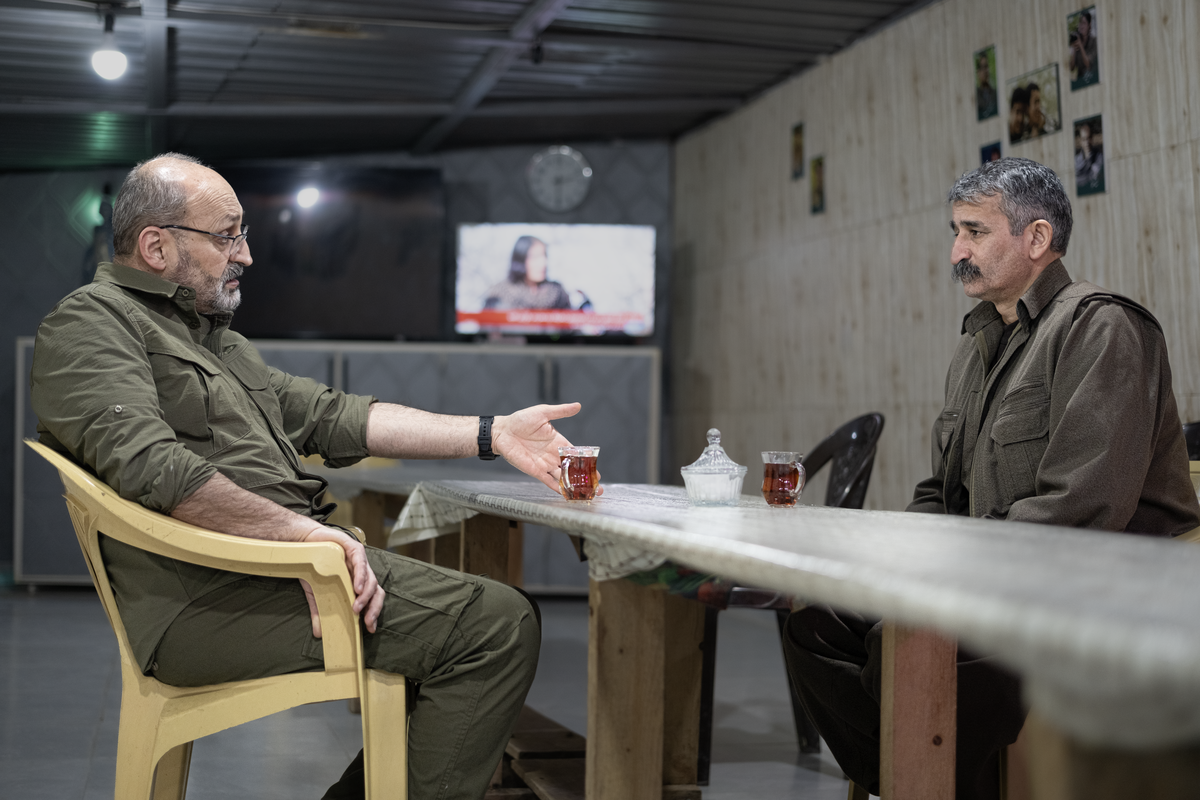
Drawing on the principles of the Kurdish struggle and the philosophy of Democratic Confederalism, Karimi argues that the current unrest is shaped by the disintegration of the rigid 20th-century nation-state system. He assesses the crisis of the Islamic Republic, discusses the crucial opportunity this presents for the Kurdish cause, and outlines the necessity of creating a democratic space in the future Iran led by the peoples’ power. In this video, we explore:
- Are the events in the Middle East a threat to the Kurds or can they be an opportunity to advance the Kurdish cause?
- PJAK’s assessment of the remaining lifespan of the Islamic Republic of Iran’s regime and what awaits Eastern Kurdistan.
- What prompted the political parties of Eastern Kurdistan to issue a recent joint statement and agree on a common political framework?
- Have Israel, America, and European countries recently contacted PJAK for political or diplomatic relations?
- How PJAK can protect its independent decision-making from PKK influence despite being heavily affected by the theses of Abdullah Öcalan.
- What is the geographical distribution of PJAK’s organizational and guerrilla force in Iran, and why is their focus on “quality over quantity?”
- PJAK’s “Third Line” policy towards foreign powers and the question of unconditional support.
- Is PJAK prepared to establish dialogue and peace with the Iranian state, following the example of Turkey and the PKK?
The philosophy of “legitimate defense” and how PJAK’s organizational force is preparing the people for all potential outcomes. The long-term political project: Democratic Confederalism for Kurdistan within a decentralized Democratic Republic of Iran. About the guest: Amir Karimi is the Co-Chair of the Kurdistan Free Life Party (PJAK), a political organization operating in the Kurdistan regions of Iran (Rojhelat) that advocates for Democratic Confederalism and radical democracy in the Middle East. Watch the full conversation for a grounded analysis of why Iran’s current crisis reflects a more profound systemic breakdown and how a key Kurdish political force is preparing for the future of Iran and Kurdistan.

The Amargi
Amargi Columnist