Fidan’s Anti-Rojava Policy is Failing the Peace Process
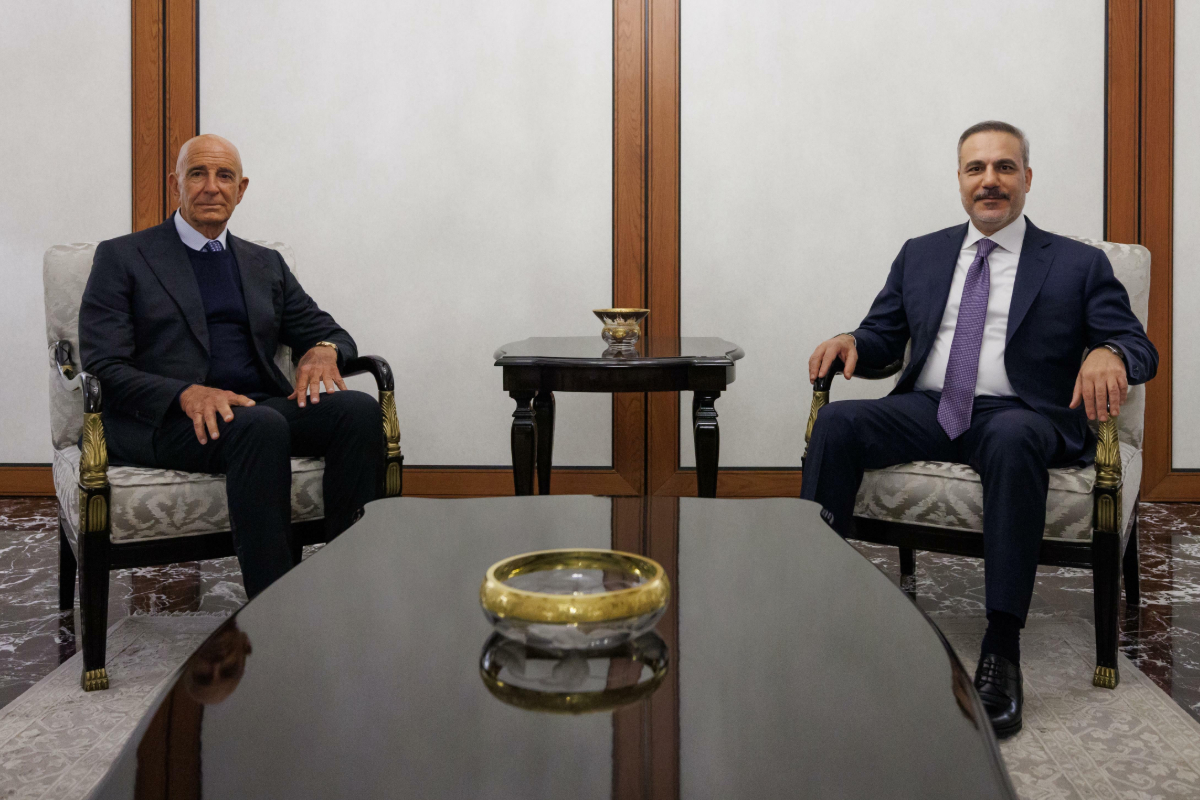
US Special Representative to Syria Tom Barrack met with Foreign Minister Hakan Fidan in Ankara on 13 January 2026 | Picture Credits: Mezopotamya Ajansı
As Turkey’s peace process with Kurds enters a critical phase, it is being shaped increasingly by threats instead of negotiations. At the center of this tension stands Turkish Foreign Minister Hakan Fidan, whose security-first rhetoric toward Kurds in northeast Syria (Rojava) has led to accusations that his “language of ultimatums” is pushing the process toward failure.
It is expected that the peace process parliamentary commission will draft a “common report” before the end of January. The report will include shared solutions and political proposals from the participating parties. However, the recent attacks on Kurdish neighborhoods in Aleppo, alongside the stance of Turkey’s security triumvirate – the Justice, Defense, and Foreign Affairs ministries – are sabotaging this historic opportunity.
Within the Kurdish political movement and the DEM Party base, there is a strong belief that the political capital gained through the peace process has been systematically depleted by three key names in the Turkish cabinet: Foreign Minister Hakan Fidan, Minister of National Defense Yaşar Güler, and Minister of Justice Yılmaz Tunç.
The path followed by these three individuals from the end of 2024 to the beginning of 2026 is interpreted by DEM Party spokespersons and the Kurdish public as a “resistance to a solution” and “continuation of the policy of elimination.” The process is now seemingly stuck between “desires of civil politics” and the “agenda of the security bureaucracy”.
Foreign Minister Hakan Fidan
Hakan Fidan is at the forefront of those opposing the process, with a stance that favors a “language of ultimatums” rather than diplomacy through dialogue and negotiations.
Fidan’s hardline stance has a history. In December 2024, he said, “The YPG must be eliminated”, adding that if they do not disband willingly, he stands ready to use force.
Since the beginning of the process, Fidan has been steadfast in his doctrine of security-centered diplomacy, particularly regarding the Syrian Democratic Forces (SDF) and the Kurdish-led Autonomous Administration in Northeast Syria (Rojava). He continues to exert pressure on the peace process, framing it in tandem with the events in Rojava.
This approach – highlighted during the attacks in Aleppo, when Fidan was quoted on Turkish state media, saying, “We will not allow any armed structure beyond our borders; they will either face force or the threat of force,” – was described by the DEM Party as sabotage.
Fidan’s hardline stance has a history. In December 2024, he said, “The YPG must be eliminated”, adding that if they do not disband willingly, he stands ready to use force.
On the other hand, throughout this period, the DEM Party has attempted to establish a “regional peace” line against the “language of war.” The call by party spokesperson Ayşegül Doğan for “an alliance between Ankara, Baghdad, Damascus, and Erbil that will protect the gains of the people against war” outlines this approach.
National Defense Minister Yaşar Güler
Turkish National Defense Minister Yaşar Güler’s statement, “If Syria wishes, we are ready to come to war and provide assistance,” is perhaps the biggest shadow cast over the process.
“At a time when the Kurds’ demand for ‘trust’ is growing, every statement from Ankara that implies a potential stance against the Kurds in Syria erodes the trust that has been built so far.”
Turkey’s signaling military support for attempts to eliminate Kurds in Aleppo in January 2026 created a deep sense of shock among the Kurdish population. It reignited feelings of betrayal along with critical discussions about the process.
A source from the DEM Party summarized the situation by saying, “At a time when the Kurds’ demand for ‘trust’ is growing, every statement from Ankara that implies a potential stance against the Kurds in Syria erodes the trust that has been built so far.”
The calls from various groups for Güler to “abandon the language of threats” are a clear indication of how the security-oriented rhetoric within the ruling party is complicating the process.
In response to the DEM Party’s proposal of holding talks with Rojava instead of rushing to war, the ruling Justice and Development Party Spokesperson Ömer Çelik replied: “If they are cleansed of terrorist elements within the SDF, comply with the March 10 Agreement, and operate on the basis of legitimate Syrian politics, then they could even visit Turkey.”
Minister of Justice Yılmaz Tunç
Tunç has been criticized for being an oppositional force, with sources close to the peace process saying that Tunç has refused to open any discussions on the legal front.
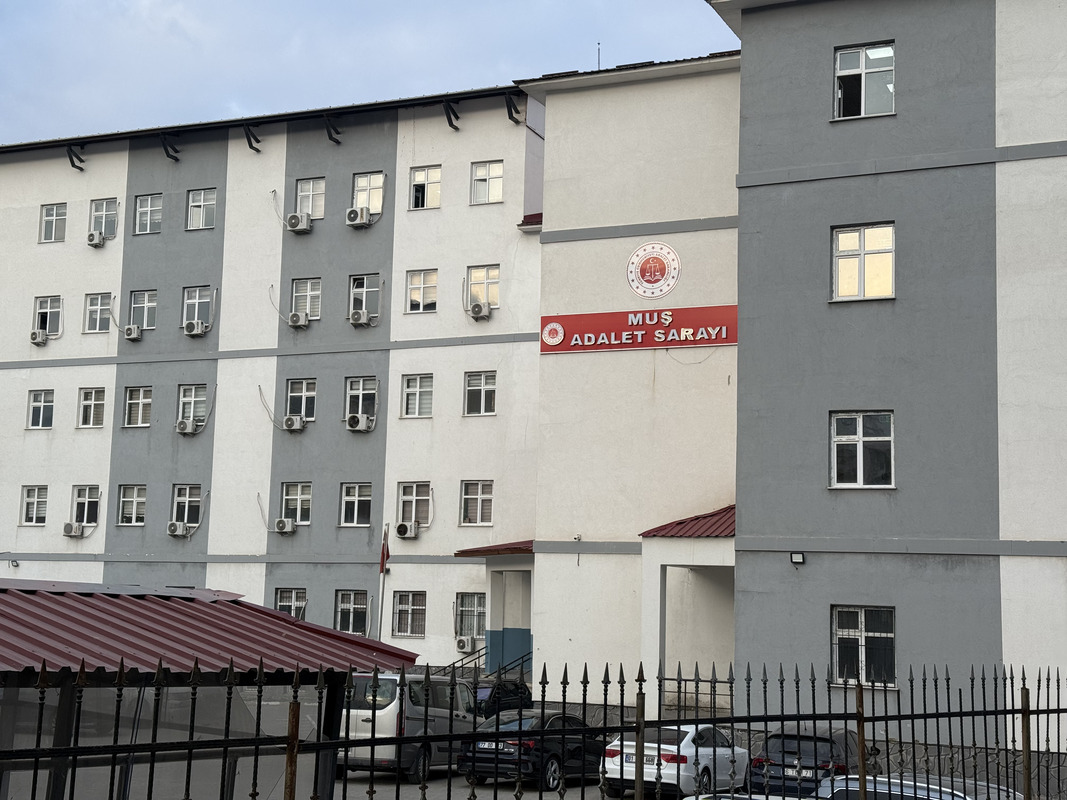
Throughout the process, Minister of Justice Yılmaz Tunç’s stance formed the “judicial” leg of operations on the ground. The continued investigations targeting politicians, insistence on trustee policies, unending problems in prisons, and reluctance to prepare the legal infrastructure for a solution positioned Tunç as the process’s “silent blocker.”
Consequently, he has been criticized for being an oppositional force, with sources close to the peace process saying that Tunç has refused to open any discussions on the legal front.
Tunç’s oppositional attitude has been on display on multiple occasions. His rhetoric has been fraught with contradictions, uttering phrases like “securing peace through law” in conversations with the Imrali delegation – the delegation meeting with the jailed leader of the Kurdistan Workers’ Party (PKK) – on one hand. On the other hand, he continuously makes statements rejecting any potential “Peace Law”, arguing that such legislation can only be discussed if the laws implemented focus on “liquidating” the PKK.
And while public debate continues on the “right to hope” – the review of life sentences in accordance with ECHR rulings – Tunç dismissed any potential legal pathways, asserting that “the right to hope does not exist in our legislation, and such a study is not on our agenda.” He has also remained rigid in responding to demands for a teleconference meeting with Abdullah Öcalan, dismissing the possibility within the framework of Turkish law.
Tunç’s approach has created serious discomfort for the DEM party’s base, and many are now questioning the intentions and aims of the process.
Peace or Status Quo?
Fidan’s anti-Kurdish stance, Tunç’s judicial barriers, and Güler’s trigger-happy enthusiasm for military operations have been detrimental to the peace process. Their rhetoric is reinforcing the perception among Kurds that the state is stalling because their real goal is to eliminate Kurdish gains in Syria.
The warning issued by the co-chairs of the DEM Party in their statement on Aleppo should be interpreted in light of these dynamics: “In a fragile process, words are sometimes as decisive as actions. As the language becomes harsher, the process becomes confined to a narrow security discussion instead of becoming a society-wide initiative.”

The Amargi
Amargi Columnist